

When Your Boiler Fails in the Dead of Winter
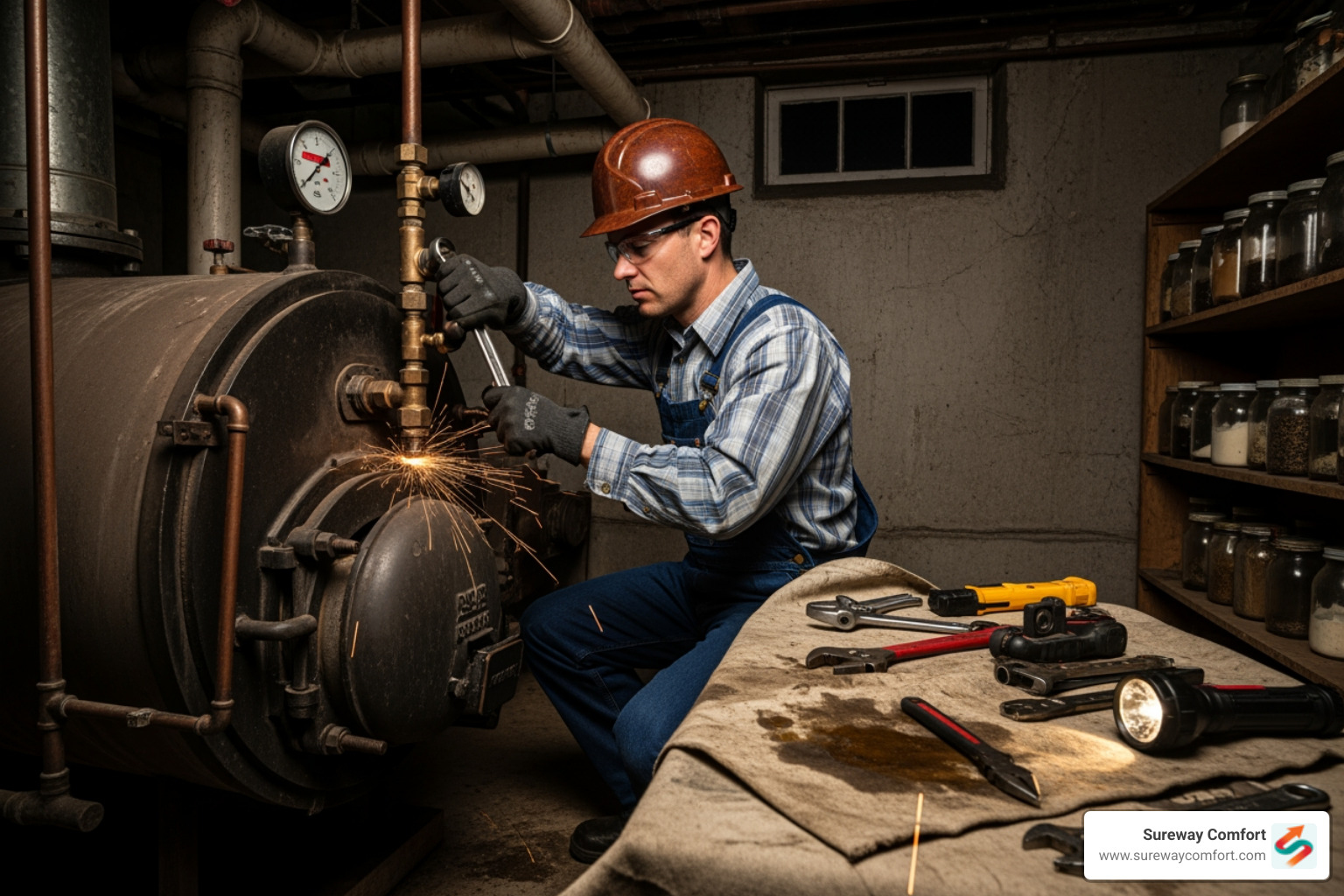
When your boiler stops working on a freezing Pittsburgh night, you need help fast. Emergency boiler repair in Bridgeville, PA services can get your heat restored quickly, often within hours. The key is recognizing the warning signs early and knowing exactly who to call when disaster strikes.
If you need immediate help, here's what to do:
1. Safety First - Turn off your boiler and check for gas leaks or carbon monoxide.
2. Call a Licensed Technician - Look for 24/7 emergency services in Bridgeville, PA.
3. Expect Rapid Response - Most emergency services arrive within 1-2 hours.
4. Common Quick Fixes - Pressure issues, frozen pipes, and thermostat problems can often be resolved same-day.
For comprehensive heating solutions, explore our full range of heating services in Bridgeville, PA. When you need immediate assistance, contact Sureway Comfort for emergency service.
Winters in the Pittsburgh region are harsh, and boilers remain the heating system of choice for many families in Bridgeville and surrounding areas. When these systems fail, the consequences go beyond discomfort—frozen pipes, property damage, and even carbon monoxide risks become real concerns. Knowing how to respond quickly can save you thousands in damage and keep your family safe.
Recognizing the Signs: When Do You Need Emergency Boiler Repair?
Imagine waking up on a frigid Bridgeville morning only to find your home as cold as the outside. This is often the first, most unmistakable sign that you need emergency boiler repair in Bridgeville, PA. But a complete lack of heat or hot water isn't the only indicator. Our boilers, like loyal companions, often give us subtle hints before they fully give up the ghost. Learning to recognize these common signs can help you address issues before they escalate into full-blown emergencies.
One of the most concerning signs is water pooling around the base of a boiler. A leak, no matter how small, is never a good sign. It could indicate internal corrosion around pipes, a worn-out pump seal, or even a problem with the pressure relief valve. If you spot puddles, it's a clear signal to act quickly to prevent further damage to your home and the boiler itself.
Beyond visible leaks, listen to your boiler. Is it making strange noises? Boilers are generally quiet workhorses, so any new or unusual sounds should grab your attention.
• Banging or rattling can suggest loose components, pressure buildup, or even mineral deposits (limescale) accumulating inside the heat exchanger, a phenomenon known as "kettling."
• Gurgling or dripping might point to air trapped in the system or a frozen condensate pipe, especially during cold snaps in Bridgeville.
• A whistling sound could also be kettling, indicating restricted water flow or excessive pressure.
Another critical sign is the presence of foul smells. While a slight metallic smell when a new boiler first fires up is normal, any persistent or strong odors are cause for alarm. A sulfuric or rotten egg smell could indicate a gas leak, which is an immediate safety hazard. A burning smell might suggest an electrical issue or overheating.
Pilot light problems are also common indicators of trouble. If your pilot light frequently goes out, or if it appears yellow or orange instead of a strong blue, it suggests an incomplete combustion and potential carbon monoxide risk. This is not something to ignore.
Finally, if your boiler is frequent cycling, turning on and off more often than usual, it's struggling to maintain temperature or facing an internal malfunction. This decrease in efficiency will not only leave you less comfortable but also lead to soaring energy bills.
Ignoring these warning signs can turn a minor repair into a major, costly replacement. For any of these issues, it's time to consider professional help. Our team is ready to assist with any boiler repair bridgeville pa needs, ensuring your home stays warm and safe.
When your boiler goes on strike, especially during the colder months in Bridgeville, panic can set in. But staying calm and following a few immediate steps can mitigate damage and ensure your safety until professional help arrives. This isn't just about comfort; it's about protecting your home and family.
First and foremost, safety first. If you suspect a gas leak (often indicated by a sulfuric or rotten egg smell), or if your carbon monoxide detector goes off, evacuate your home immediately and call 911 from a safe location. Do not try to locate the source of the leak yourself or operate any electrical switches.
If there's no immediate danger from gas or carbon monoxide, your next step is to turn off the boiler. Locate the emergency shut-off switch, which is usually a red switch near the boiler or at the top of your basement stairs. For gas boilers, also turn off the gas supply using the valve near the gas meter. For oil boilers, turn off the oil supply. This prevents further damage and potential hazards if the boiler is malfunctioning.
If you're dealing with a water leak, shut off the water supply to your boiler. There should be a valve on the cold-water intake pipe leading to the boiler. Turning this off will stop the flow of water and prevent extensive water damage to your property. If you can't find the boiler's specific shut-off valve, you may need to turn off the main water supply to your house.
It's crucial to check for gas smells again once the boiler is off and before calling a technician. Even if you didn't smell anything initially, a problem could develop as the system cools.
Understanding the risks of delaying repair is paramount. Ignoring a malfunctioning boiler, even if it's still providing some heat, can lead to more severe problems. A small leak can turn into significant water damage. A minor issue with a pressure valve can cause a system shutdown or even boiler failure. Most critically, issues with combustion can lead to carbon monoxide leaks, which are odorless, colorless, and deadly. Prompt action ensures your system can be repaired more easily and safely, often maximizing its lifespan.
After taking these immediate safety measures, the final and most crucial step is calling a professional. Do not attempt complex repairs yourself unless you are a qualified boiler technician. Modern boilers are intricate systems, and DIY repairs can be dangerous and void warranties. When you need emergency heating repair in Bridgeville, PA, our experienced technicians are ready to provide prompt and reliable service. For more information on who provides these essential services, visit our page on who provides emergency heating repair in bridgeville pa.
What to Expect from Emergency Boiler Repair in Bridgeville, PA
When you're facing a boiler emergency in Bridgeville, PA, you're not just looking for a fix; you're looking for reassurance, speed, and expertise. Our commitment to providing exceptional emergency boiler repair in Bridgeville, PA means you can expect a streamlined process designed to get your heat back online as quickly and safely as possible.
The first thing you should know is that we offer 24/7 availability. Boiler emergencies don't stick to business hours, and neither do we. Whether it's the middle of the night, a weekend, or a holiday, our team is ready to respond. This round-the-clock service ensures that you're never left in the cold for long.
Once you place that urgent call, you can anticipate a rapid response. Our goal is to dispatch an experienced technician to your Bridgeville home (or surrounding areas like McDonald, Mt Lebanon, Bethel Park, Canonsburg, Collier, South Fayette, Upper St. Clair, Carnegie, Green Tree, Scott Township, Brookline, or Oakdale) as quickly as possible. Many emergency services aim to arrive within 1-2 hours, understanding the urgency of a home without heat.
Upon arrival, our technician will begin a thorough diagnosis process. This involves inspecting your boiler, listening for unusual sounds, checking pressure gauges, and using specialized tools to pinpoint the exact cause of the malfunction. Our experienced technicians have seen it all and are adept at quickly identifying the root of the problem.
Some of the common causes of failure that lead to emergency calls include:
• Thermostat issues: A faulty thermostat might not be communicating correctly with your boiler, leading to no heat even if the boiler itself is fine.
• Pressure valve problems: If the pressure in your boiler is too high or too low, it can prevent the system from operating safely or efficiently.
• Heat exchanger failure: This critical component can become clogged with sediment or crack, leading to inefficient heating or leaks.
• Frozen pipes: In harsh Bridgeville winters, condensate pipes can freeze, blocking the boiler's function and causing it to shut down.
Finding a Qualified Technician for emergency boiler repair in bridgeville, pa
When your boiler decides to take an unexpected vacation, the technician you call can make all the difference. For something as critical as emergency boiler repair in Bridgeville, PA, you want someone who is not only skilled but also trustworthy and reliable.
The importance of licensed & insured professionals cannot be overstated. A licensed technician has met the necessary standards for expertise and safety, ensuring they understand the complex workings of your boiler. Being insured protects you, the homeowner, from liability in case of accidents or damage during the repair process. Always ask for proof of licensure and insurance to safeguard your interests.
Choosing a company with local expertise in Bridgeville and the surrounding Pittsburgh region is also beneficial. Local technicians are familiar with the common issues boilers face in our climate, the types of systems prevalent in our homes, and can offer a more rapid response time. Our team is deeply rooted in the Bridgeville community, and we understand the unique heating challenges residents face. You can learn more about our commitment to the area on our Bridgeville, PA service page.
Don't hesitate to ask the right questions before or during an emergency service call. This ensures transparency and helps you feel confident in the service you're receiving.
• Technician experience: How long have they been repairing boilers? Are they NATE-certified? NATE certification is a nationally recognized standard for excellence, ensuring a high level of competency.
• Parts availability: Do they typically carry common replacement parts on their truck, or will there be delays in ordering?
• Service warranty: What kind of warranty do they offer on their repairs and parts? A good warranty provides peace of mind.
These questions help you gauge the technician's competence and the company's commitment to quality service.
Common Issues Resolved by emergency boiler repair in bridgeville, pa
When we arrive for emergency boiler repair in Bridgeville, PA, we're prepared to tackle a wide range of issues that can leave your home cold and uncomfortable. Our goal is always to diagnose quickly and resolve effectively, restoring your heat with minimal disruption.
One of the most frequent calls we receive is for leaking and dripping boilers. As mentioned earlier, this can stem from various problems, including corroded pipes, a faulty pressure relief valve, or a worn-out pump seal. We'll carefully trace the leak's origin and perform the necessary repairs, from replacing seals to patching pipes.
Kettling is another common issue, often described as a boiling teapot sound. This is typically caused by limescale buildup or debris from corrosion within the heat exchanger. Kettling reduces efficiency and puts strain on your system. Our technicians can often flush the system to remove these deposits, improving performance and extending your boiler's life.
The most urgent problem is often no heat or hot water. This can be due to a variety of factors: low system pressure, faulty valves, a broken airlock, or a defective thermostat. We systematically check each component to identify the culprit and restore your home's warmth.
Thermostat malfunctions can sometimes be a simpler fix, but they're no less frustrating. If your thermostat isn't accurately reading the temperature or isn't communicating with your boiler, it can lead to inconsistent heating or no heat at all. We can diagnose and repair or replace faulty thermostats, ensuring precise temperature control.
Pressure loss is a critical issue. Boilers operate within a specific pressure range (ideally around 1.5 bar). If the pressure drops too low (below 1 bar), the boiler will often shut down as a safety measure. This can be caused by a leak in the system, issues with the radiator, or a faulty part. We'll identify the source of the pressure drop and rectify it.
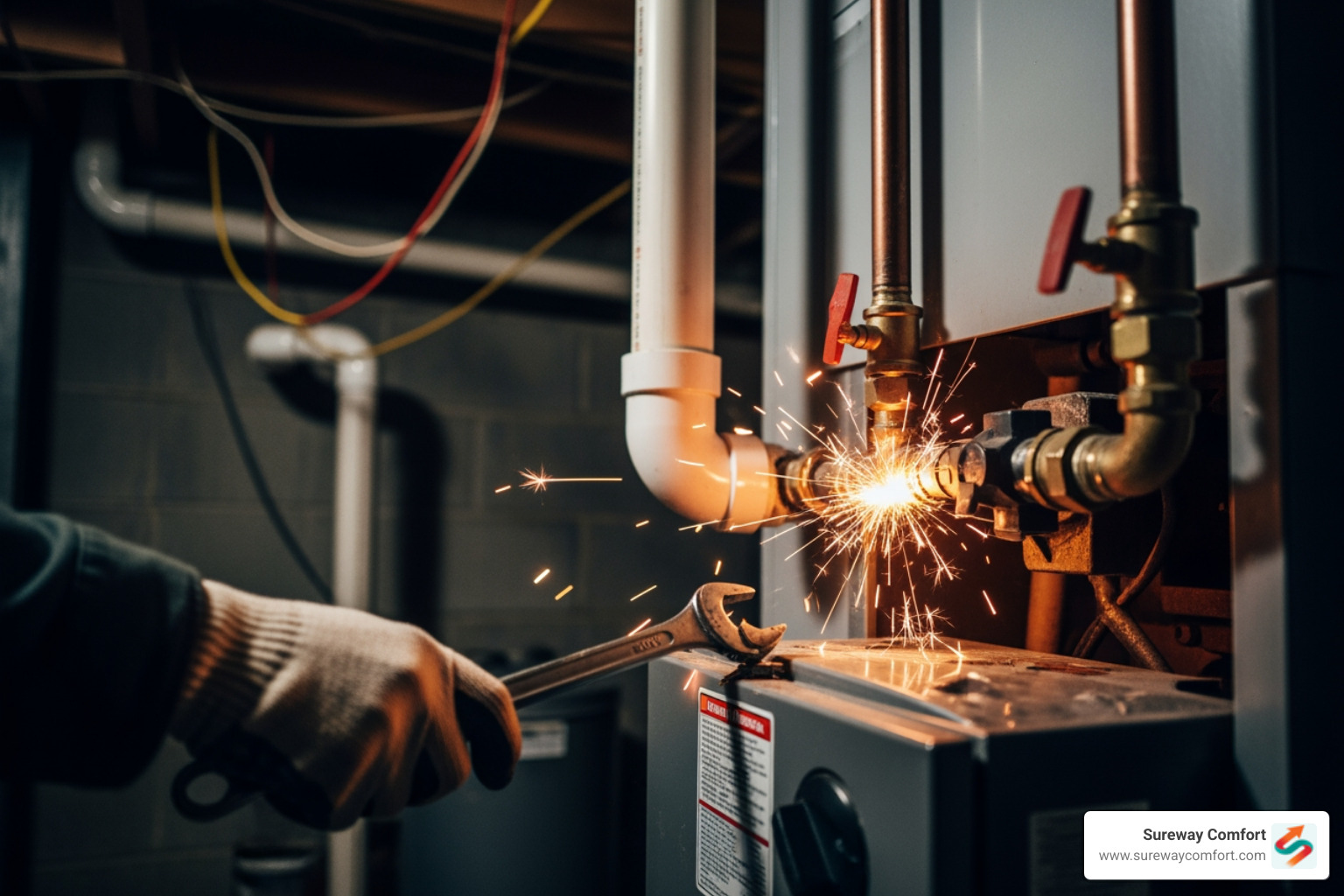
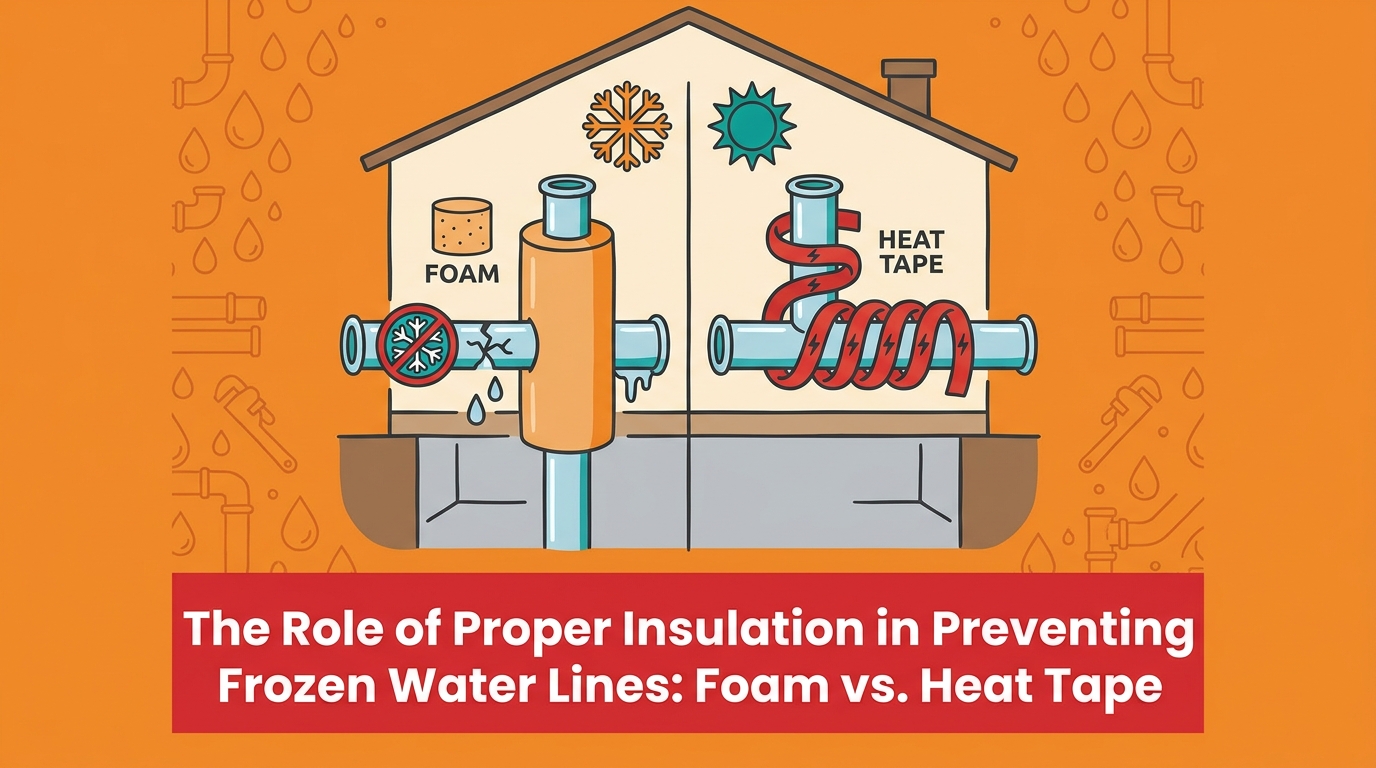
Finally, during particularly cold spells, frozen condensate pipes are a common emergency. The condensate pipe carries acidic wastewater from your boiler outside. If it freezes, it can block the boiler's operation. While some homeowners might attempt to gently thaw it themselves, it's safer and more effective to have a professional address it, as they can also check for underlying issues that led to the freezing.
For detailed tips on handling these and other boiler issues, check out our emergency boiler service bridgeville tips. Addressing these problems promptly is key to preventing further damage and ensuring your boiler runs efficiently.
Preventing Future Crises: The Role of Regular Boiler Maintenance
While we're always ready for emergency boiler repair in Bridgeville, PA, our favorite kind of service call is the one we prevent. Regular boiler maintenance is not just a good idea; it's an essential practice that can save you from unexpected breakdowns, costly repairs, and discomfort. Think of it as a wellness check for your home's most important heating appliance.
The benefits of annual maintenance are extensive. Firstly, it plays a crucial role in maximizing efficiency. Over time, boilers can accumulate sediment, develop minor leaks, or have components that wear down, all of which reduce their efficiency. A well-maintained boiler uses less fuel to produce the same amount of heat, translating directly into lower energy bills for you. This is particularly relevant given the emphasis on energy efficiency, with the U.S. Department of Energy (DOE) regularly updating efficiency and testing standards for HVAC equipment. While the most recent updates on January 1, 2023, primarily focused on air conditioners and heat pumps, the underlying principle of maximizing efficiency through advanced combustion technologies and electronic ignitions (which some boilers use) remains vital for all heating systems. You can read more about these broader industry changes in the DOE's updated efficiency and testing standards.
Secondly, regular maintenance is key to extending boiler lifespan. Boilers are durable pieces of equipment, often lasting 15-20 years or more with proper care. However, neglecting annual tune-ups can significantly shorten their life, leading to premature replacement. Our technicians can identify and address minor issues before they escalate into major, expensive problems. This proactive approach helps you get the most out of your investment.
Beyond efficiency and longevity, maintenance includes crucial safety checks. Technicians inspect for potential gas leaks, carbon monoxide emissions, and proper ventilation, ensuring your boiler operates safely within your home. They'll also check all electrical connections and components to prevent fire hazards. These safety checks are invaluable, providing peace of mind for you and your family.
During a maintenance visit, our technicians will:
• Inspect and clean burners and heat exchangers.
• Check and adjust system pressure.
• Examine the flue and ventilation system.
• Test safety controls and valves.
• Bleed radiators if necessary to remove trapped air, ensuring even heating.
• Look for any signs of corrosion or wear.
These routine inspections allow us to catch issues like minor leaks, pressure inconsistencies, or early signs of component failure, often preventing them from becoming emergency situations. It’s far easier (and less stressful) to schedule a tune-up than to deal with a sudden breakdown on the coldest night of the year.
For a detailed guide on what a tune-up entails and why it's so important, visit our boiler tune up bridgeville pa guide. To schedule your annual maintenance and keep your boiler running smoothly, explore our boiler service bridgeville pa options. Proactive care is the best defense against unexpected boiler emergencies.
Frequently Asked Questions about Boiler Emergencies
Facing a boiler emergency often brings up a flurry of questions. We're here to provide clear, straightforward answers to some of the most common concerns, helping you understand your system better and make informed decisions.
What causes a boiler to lose pressure?
Boiler pressure is crucial for your system's operation; if it drops too low, your boiler will likely stop working. Several factors can cause a boiler to lose pressure:
• System leaks: This is the most common cause. Even a small, unnoticed leak in your boiler, pipework, or radiators can lead to a gradual pressure drop.
• Faulty pressure relief valve: The pressure relief valve is a safety device designed to release pressure if it becomes too high. If this valve is faulty or has opened recently, it can cause a pressure drop.
• Recently bled radiators: If you've recently bled your radiators to release trapped air, it's normal for the system pressure to drop slightly. You'll typically need to repressurize your boiler after this.
• Faulty expansion vessel: The expansion vessel absorbs excess water pressure as the system heats up. If it's not working correctly, it can lead to erratic pressure readings.
While some pressure drops are easily rectified (like repressurizing after bleeding radiators), persistent or unexplained pressure loss usually indicates a more serious underlying issue. This is why it's always best to call a professional to diagnose and repair the cause of pressure loss, ensuring the system operates safely and efficiently.
Can I fix a leaking boiler myself?
While it might be tempting to try a DIY fix for a leaking boiler, we strongly advise against it. There are significant safety risks involved. Boilers operate with high temperatures, water pressure, and often gas or electricity. Attempting repairs without the proper knowledge and tools can lead to serious injury, gas leaks, electrical shocks, or further damage to the unit.
Beyond the safety concerns, there's a considerable potential for water damage. A temporary patch might fail, leading to more extensive and costly damage to your home. The complexity of modern boilers also means that what appears to be a simple leak could be a symptom of a larger, more intricate problem requiring specialized diagnostic equipment and expertise.
For these reasons, the importance of professional diagnosis and repair cannot be overstated. Our licensed and insured technicians have the training, experience, and tools to safely and effectively identify the source of the leak and provide a lasting solution. Turning off the water and power to the boiler and calling us is the safest and most reliable course of action.
How do I know if my boiler is dangerous?
Recognizing the signs of a dangerous boiler is critical for your family's safety. Never ignore these warnings:
• Gas or oil smells: A strong smell of gas (like rotten eggs) or oil is an immediate red flag. This indicates a fuel leak, which is highly flammable and dangerous.
• Carbon monoxide detector alerts: Carbon monoxide is an odorless, colorless, and highly toxic gas. If your CO detector goes off, it means there's a dangerous level of carbon monoxide in your home, likely from a faulty boiler.
• Soot or scorching around the unit: Black soot marks or scorching on or around your boiler can indicate incomplete combustion, which is a common cause of carbon monoxide production.
• Yellow pilot light: A healthy pilot light should be a strong, crisp blue flame. If it's weak, yellow, or orange, it suggests incomplete combustion and a potential carbon monoxide hazard.
If you observe any of these signs, prioritize safety: evacuate your home immediately, call 911, and then contact us for an emergency inspection. Do not re-enter your home until first responders or a qualified technician has deemed it safe. We emphasize safety in all our services, especially when it comes to the well-being of our community in Bridgeville and surrounding areas.
Conclusion
When the warmth of your home depends on a reliable boiler, knowing how to steer an emergency is key. We've walked through the crucial steps: learning to recognize warning signs like leaks, strange noises, or a lack of heat; understanding the immediate actions to act quickly and safely when a breakdown occurs; and appreciating the value of proactive maintenance to prevent future crises.
Winters in Bridgeville, PA, are no joke, and a functioning boiler isn't just a comfort—it's a necessity. By being informed and knowing when to call on experienced professionals, you can minimize disruption and keep your home safe and warm. Our team at Sureway Comfort is dedicated to providing swift, reliable emergency boiler repair in Bridgeville, PA, ensuring your family's comfort and peace of mind.
Don't let a boiler breakdown leave you in the cold. For expert boiler repair in Bridgeville, PA, contact us today!



.svg)
.avif)


