
How to Do an AC Tune-Up in 5 Easy Steps for Pittsburgh Homeowners
Keep your home cool with this AC tune up guide for Pittsburgh area homeowners: five easy DIY steps, plus how to know when it is time to call a professional.
Your Quick-Start AC Tune-Up Guide for Pittsburgh Area Homeowners
This ac tune up guide for Pittsburgh area homeowners covers everything you need to keep your cooling system running strong through the region's hot, humid summers. Here's a quick overview of the five core maintenance steps:
- Inspect and replace the air filter - every 1 to 3 months
- Clear debris around the outdoor condenser - maintain 2 feet of clearance
- Clean vents and registers - vacuum dust and check for blockages
- Test the thermostat - replace batteries and verify cooling mode works
- Inspect visible ductwork and condensate drain lines - look for leaks or clogs
Pittsburgh summers average around 80°F but routinely push into the upper 80s and 90s with heavy humidity from June through August. That combination puts serious stress on your AC system. An air conditioner that ran fine last September can struggle badly on the first real heat wave of June — especially if it hasn't been touched since then.
The good news? Most AC problems are preventable. About 90% of air conditioner failures are linked to a lack of regular maintenance. A few simple steps each spring — plus one annual professional tune-up — can save you from a sweaty, expensive breakdown at the worst possible time.
Whether you're in Bridgeville, Mt. Lebanon, or anywhere across the South Hills, staying ahead of maintenance is the smartest thing you can do for your home's comfort and your energy bills. Read on for our best tricks and tips to keep your system running efficiently all summer long.
Why You Need an AC Tune-Up Guide for Pittsburgh Area Homeowners
Living in Western Pennsylvania means experiencing the full spectrum of all four seasons. While we brace ourselves for freezing winters, our summers bring a unique set of challenges that can push any standard cooling system to its absolute limit.
Without a reliable ac tune up guide for Pittsburgh area homeowners, many residents wait until the first major heat wave of the summer to turn on their cooling units. This sudden demand on a sleeping system often leads to immediate performance issues or complete system failures. Proactive care ensures your system transitions smoothly from winter hibernation to summer performance. You can read more about how consistent care keeps your system running efficiently in our detailed guide on Regular AC Maintenance Peak Performance.
The Impact of Pittsburgh's Humid Continental Climate
Pittsburgh features a humid continental climate, which means our summers are not just warm; they are incredibly muggy. While the average summer temperature hovers around 80°F, the high humidity levels make it feel significantly hotter.
Your air conditioner has two primary jobs during a humid Pennsylvania summer:
- Lowering the indoor air temperature.
- Removing excess moisture from the air.
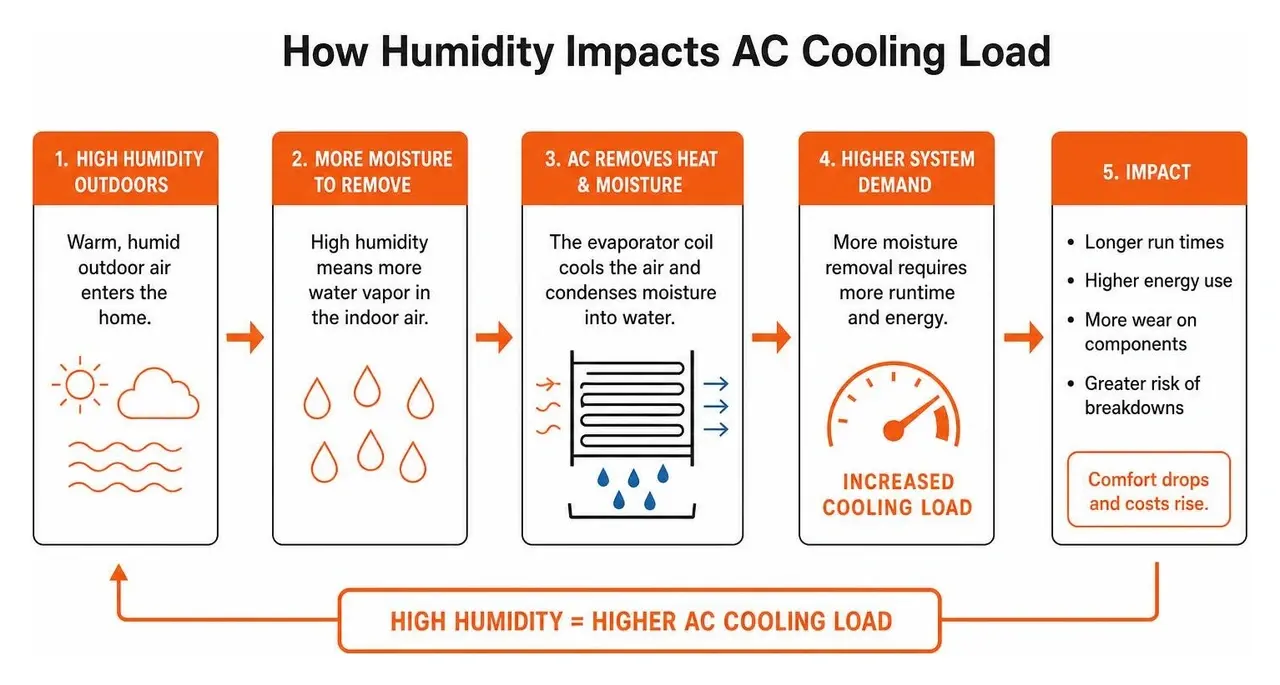
When humidity levels are high, your system has to work twice as hard to extract water vapor from your indoor air. This moisture is collected on the indoor evaporator coil and funneled out of your home through a condensate drain line. If your system is neglected, dirty coils and blocked drain lines can cause the system to freeze up or overflow, leading to water damage in your basement or utility closet. Understanding these climate-specific stressors is the first step toward protecting your equipment. Discover more about why our regional weather makes routine service so vital by reading about Regular AC Maintenance Top Reasons.
How Regular Maintenance Extends System Lifespan in Older Homes
Many neighborhoods in the Pittsburgh area, such as Mt. Lebanon, Carnegie, and Brookline, are famous for their beautiful, historic homes. While these properties have incredible character, their older construction often presents unique heating and cooling challenges.
Older homes frequently feature:
- Plaster walls that retain heat and moisture.
- Aging duct systems with loose joints and leaks.
- Older HVAC equipment that operates on less efficient technology.
Running a cooling system in an older home without routine maintenance is a recipe for premature wear and tear. Over time, dust buildup, minor electrical degradation, and friction in moving parts force older systems to run longer cycles to cool the home. By scheduling regular tune-ups, you can extend the lifespan of an older air conditioner by three to five years, avoiding the sudden need for an unplanned system replacement.
The 5-Step DIY AC Maintenance Checklist
While complex mechanical diagnostics should always be handled by professionals, there are several safe, simple maintenance tasks that homeowners can perform to keep their systems running smoothly between scheduled professional visits.
Step 1: Inspect and Replace the Air Filter
Dirty or clogged air filters are the single biggest contributor to HVAC system malfunctions and failures. When a filter is caked with dust, pet dander, and pollen, it restricts airflow through the system. This lack of airflow forces the blower motor to work harder, which can cause the system to overheat, short-cycle, or even freeze the indoor evaporator coil.
- How often to replace: Check your filter every 30 days. Replace it every 1 to 3 months depending on your household size, pets, and local air quality.
- Filter selection: Look for a filter with a MERV (Minimum Efficiency Reporting Value) rating that matches your system manufacturer's recommendations. Standard 1-inch filters are common, but homes with larger media filters may only need changes every 6 to 12 months.
Step 2: Clear Debris Around the Outdoor Condenser
Your outdoor condenser unit needs to release the heat it extracts from inside your home. If the unit is surrounded by weeds, tall grass, fallen leaves, or stored items, it cannot breathe properly, which drastically reduces its cooling efficiency.
- Establish a clearance zone: Maintain at least two feet of clear space around the entire outdoor unit.
- Trim landscaping: Regularly prune shrubs, vines, and overhanging branches away from the condenser.
- Clean the exterior: Turn off the power to the unit at the outdoor disconnect box, then use a gentle garden hose (never a high-pressure washer, which can bend the delicate aluminum fins) to rinse away accumulated dirt, grass clippings, and pollen from the exterior coils.
Step 3: Clean Vents and Registers
To maintain balanced airflow throughout your home, your indoor supply vents and return registers must remain clean and unobstructed.
- Remove blockages: Walk through your home and ensure that furniture, rugs, drapes, or toys are not blocking any vents.
- Vacuum dust: Use a vacuum brush attachment to clear away dust, cobwebs, and pet hair that have settled on the grates. This simple step prevents dust from recirculating back into your system and improves your overall indoor air quality.
Step 4: Test the Thermostat and Smart Controls
Your thermostat is the brain of your cooling system. If it isn't calibrated correctly or if the batteries are dying, your system may run inefficiently or fail to turn on at all.
- Battery replacement: Replace the batteries in your thermostat at the start of every cooling season.
- Test operation: Switch your system to "Cool" mode, set the temperature a few degrees below the current room temperature, and listen for the outdoor unit and indoor blower to kick on smoothly.
- Smart upgrades: If you use a smart thermostat, verify that its firmware is updated and that your seasonal cooling schedules are optimized to save energy when you are away from home.
Step 5: Inspect Visible Ductwork and Condensate Lines
According to the U.S. Department of Energy, duct leaks can account for up to 30% of energy consumption in ducted heating and cooling systems. Additionally, blocked condensate lines can lead to major water damage.
- Check visible ducts: Inspect exposed ductwork in your basement, attic, or utility closet for loose joints, gaps, or fallen insulation. Seal minor gaps using specialized foil tape (avoid standard cloth duct tape, which degrades quickly under temperature swings).
- Monitor the condensate drain: Locate the white PVC drain line near your indoor unit. Ensure it is draining water properly to the floor drain or condensate pump. If you notice water pooling around the base of your indoor unit, it is a clear sign of a clogged drain line that needs immediate attention.
What to Expect During a Professional AC Tune-Up
While DIY steps are excellent for day-to-day care, a professional tune-up involves technical tasks that require specialized tools, training, and safety protocols.
A professional visit is designed to dive deep into the mechanical and electrical heart of your system. Scheduling this service in the spring ensures that any hidden wear and tear is corrected before the hot summer weather arrives. You can learn more about what this service entails by reading our comprehensive guide on the Seasonal HVAC Tune-Up.
Deep Cleaning and Electrical Diagnostics
During a professional tune-up, a technician will perform a series of critical inspections and adjustments that go far beyond basic cleaning. This includes checking electrical contacts, testing safety controls, and thoroughly cleaning internal coils that are difficult for homeowners to access safely.
To help you understand the difference between what you can do yourself and what our professional team handles, refer to this breakdown:
| Maintenance Task | DIY (Homeowner) | Professional Technician |
|---|---|---|
| Replace Air Filters | Yes | Yes |
| Clear Outdoor Debris | Yes | Yes |
| Vacuum Vents & Registers | Yes | Yes |
| Clean Evaporator & Condenser Coils | No | Yes |
| Test Capacitor & Contactor Wear | No | Yes |
| Verify Refrigerant Charge & Check Leaks | No | Yes |
| Measure Temperature Split | No | Yes |
| Flush Condensate Lines & Treat Algae | No | Yes |
Why Professional Calibration Outperforms a DIY AC Tune-Up Guide for Pittsburgh Area Homeowners
An air conditioner operates on a closed refrigerant loop. Unlike a car that consumes oil or gas, your AC should never "run low" on refrigerant. If the refrigerant level is low, it means there is a leak in the system. Handling refrigerant requires specialized EPA certification, as improper handling is dangerous and harmful to the environment.
During a professional tune-up, our technicians will:
- Verify refrigerant levels: We use digital gauges to ensure your system has the exact charge specified by the manufacturer.
- Conduct leak detection: If levels are low, we use advanced electronic leak detectors to find and repair the source of the leak.
- Measure the temperature split: We test the difference in temperature between the air entering the return vents and the air leaving the supply vents. A healthy system should achieve a 15°F to 20°F drop.
- Balance airflow: We check blower motor amp draws and fan speeds to ensure air is distributed evenly throughout your home, eliminating uncomfortable hot and cold spots.
Choosing the Right Local HVAC Partner in Western Pennsylvania
When it comes to keeping your home comfortable, you want a local team that understands the specific housing styles, weather patterns, and community needs of our region.
At Sureway Comfort, we pride ourselves on being your neighbors. Based in Bridgeville, PA, we provide honest diagnostics, responsive scheduling, and a full range of heating, cooling, and plumbing services. We believe in keeping things simple, straightforward, and reliable. To make seasonal care completely worry-free, we offer customized maintenance agreements that keep your system protected year-round. Dive into the details by reading our AC Maintenance Plans Complete Guide.
Finding a Reliable Service Provider in Your Neighborhood
We are proud to serve homeowners throughout our Western Pennsylvania communities. Whether you live in an established home in Mt. Lebanon or a newer development in South Fayette, our team is just a quick phone call away.
Explore our local cooling and maintenance services tailored directly to your neighborhood:
- AC Maintenance Mt. Lebanon PA
- AC Maintenance Green Tree PA
- AC Maintenance Scott Township PA
- AC Maintenance Canonsburg PA
- AC Maintenance Bridgeville PA
- AC Maintenance South Fayette PA
- AC Maintenance Collier PA
Maximizing Energy Efficiency with an AC Tune-Up Guide for Pittsburgh Area Homeowners
Investing in regular AC maintenance isn't just about avoiding breakdowns; it's also about keeping your monthly utility bills as low as possible. In Pennsylvania, programs like Act 129 have focused on reducing electricity consumption across the state, saving utility customers billions of dollars since 2009. By keeping your system tuned, you align your home with these energy-saving goals.
Additionally, if you are considering upgrading your system:
- SEER Ratings: The U.S. Department of Energy recommends units with a Seasonal Energy Efficiency Ratio (SEER) rating of at least 15 for optimal summer efficiency.
- VRF Systems: Variable Refrigerant Flow (VRF) systems are growing in popularity for local homes because they can cut down on energy waste by 30% by bypassing traditional ductwork entirely.
- Tax Credits: Homeowners can save up to $3,200 annually on federal tax credits for making qualifying energy-efficient home upgrades, including high-efficiency air conditioning systems and heat pumps.
Frequently Asked Questions About AC Maintenance
To help you keep your cooling system in peak condition, we've gathered and answered some of the most common questions we hear from local homeowners.
How often should I schedule a professional AC tune-up?
You should schedule a professional AC tune-up once per year, ideally in the early spring before the summer heat hits. This timing allows technicians to identify and resolve any minor issues before they turn into major emergency repairs during a July heat wave. If you're wondering when the absolute best window is to book your appointment, check out our guide on the Best Time of Year to Schedule Your AC Tune-Up.
What are the signs that my air conditioner needs immediate repair?
While regular maintenance prevents up to 85% of standard repairs, you should keep an eye out for these warning signs that indicate your system needs professional attention:
- Warm air: The system is running, but the air coming from your vents feels warm or lukewarm.
- Weak airflow: You can feel cool air, but it is barely trickling out of the registers.
- Strange noises: You hear grinding, squealing, rattling, or buzzing sounds when the system starts or runs.
- Water pooling: You notice standing water or active leaks around your indoor furnace or outdoor condenser.
- Short cycling: The AC turns on and off rapidly every few minutes without actually cooling your home to the thermostat setting.
Can proper AC maintenance improve my home's indoor air quality?
Yes, absolutely. The average American spends about 87% of their time indoors, and indoor air pollutants can be two to five times higher than outdoor levels. Your air conditioning system plays a massive role in filtering and circulating the air you breathe. Regular maintenance — especially changing your air filters and keeping your evaporator coils clean — prevents dust, pollen, mold, and pet dander from accumulating inside your system and blowing back into your living spaces.
Conclusion
Keeping your home cool and comfortable during our humid Western Pennsylvania summers doesn't have to be stressful. By following this ac tune up guide for Pittsburgh area homeowners, performing basic DIY tasks, and partnering with a trusted local professional for your annual checkup, you can enjoy lower energy bills, better indoor air quality, and peace of mind all summer long.
At Sureway Comfort, we are committed to keeping our neighbors in Bridgeville, Mt. Lebanon, South Fayette, and the surrounding South Hills comfortable in every season. Whether you need a quick spring tune-up, an emergency repair on a humid July afternoon, or a complete system upgrade, our experienced team is here to help.
Don't wait for the first major heat wave to find out if your air conditioner is ready. Contact us today to schedule your professional cooling service or to learn more about our worry-free maintenance plans!
Need Service?
Family owned · once & done · 24/7 emergency service across the South Hills of Pittsburgh.
(412) 643-4118 Schedule ServiceMore Services
Ready to Do It Right With Sureway?
Request a quote, schedule HVAC service, or ask about HVAC and plumbing project financing across the South Hills of Pittsburgh.