


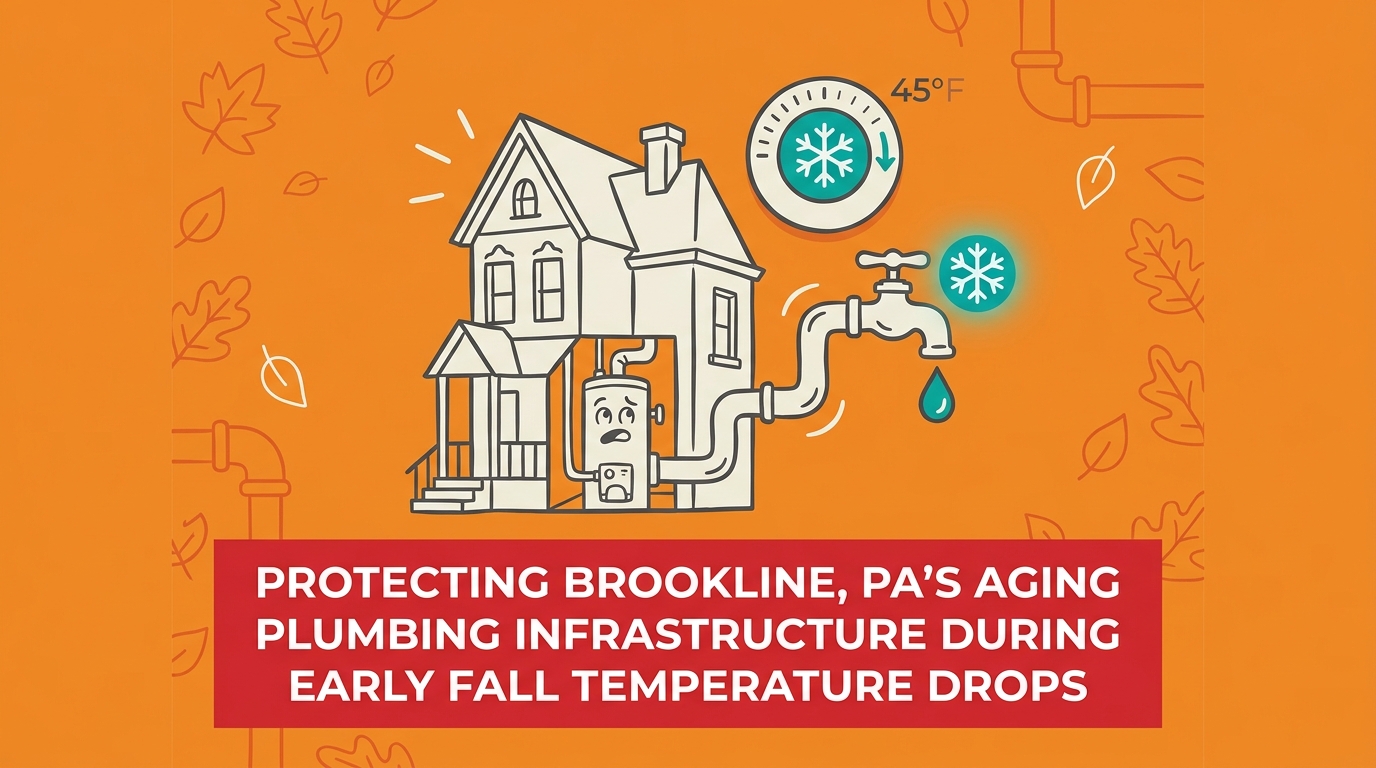
The Hidden Threat of Sudden Freezes to Brookline's Historic Homes
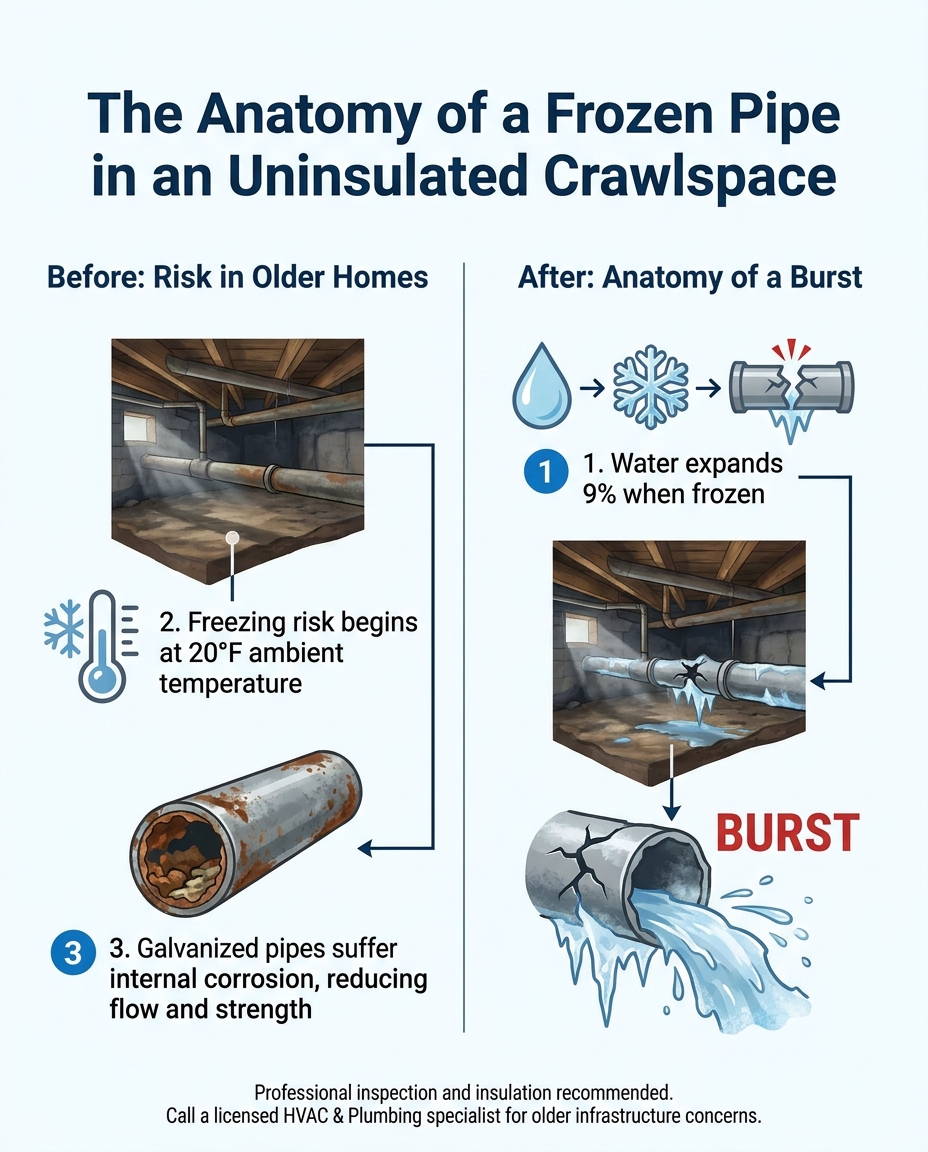
Water expands by exactly 9% when it freezes. While that might not sound like a massive number on paper, when that expansion happens inside a rigid, enclosed metal tube, it creates thousands of pounds of pressure per square inch. If you are navigating Brookline's older plumbing infrastructure during temperature drops this season, our team at Sureway Heating Cooling Plumbing stresses that understanding this basic principle of physics is the first step in protecting your property. The pressure does not just push outward against the pipe walls; it pushes laterally against the remaining liquid water, forcing it toward closed faucets until the weakest joint or pipe wall violently gives way.
To help you get ahead of these seasonal risks, reviewing professional plumbing resources is a smart way to evaluate your home's vulnerability before a crisis occurs.
In our years of serving Western Pennsylvania, we often see our service area experience its first sudden overnight frosts long before the ground completely freezes. September early fall temperature drops can be particularly deceptive. You might enjoy a mild, sunny afternoon, only to have the temperature plummet near freezing by 3:00 a.m. We frequently see homeowners caught off guard by these rapid fluctuations, falsely assuming their plumbing is perfectly safe until the deep winter months arrive.
This creates a critical decision point for anyone living in an older property. You must evaluate your home's vulnerability right now, while the weather is still relatively manageable, versus facing emergency repairs in the dead of winter. Waiting until January to think about pipe protection often means waiting until a pipe has already failed. By understanding the unique environmental stresses placed on your home during the autumn transition, you can take proactive steps to secure your water lines.
Architectural Quirks of Brookline Historic Neighborhoods
To truly understand why your plumbing is at risk, you have to look at how your home was built. Brookline historic neighborhoods are filled with beautiful homes constructed in the early-to-mid 20th century. While these properties boast incredible character and solid craftsmanship, our plumbers frequently find that their foundational architecture was designed for a different era of energy standards and building codes.
Common architectural vulnerabilities we encounter include:
• Unfinished stone basements: Many older homes feature porous stone and mortar foundations that allow significant air infiltration, turning the basement into a wind tunnel on blustery nights.
• Drafty, uninsulated crawlspaces: These shallow areas beneath the floorboards often lack modern vapor barriers or thermal insulation, leaving them exposed to the elements.
• Exposed utility routing: Decades ago, it was standard practice to run essential water supply lines directly along the joists of these unconditioned spaces for easy access.
Because these pipes are routed through unconditioned spaces, they are entirely at the mercy of ambient outdoor temperatures. As our technicians know all too well, Western PA's specific September and early fall weather patterns play a huge role: when sudden overnight freezes roll through the region, that cold air easily penetrates drafty foundations. This happens precisely during the weeks before most homeowners turn on their primary heating systems, meaning there is zero ambient heat bleeding into the basement or crawlspace to keep the chill at bay.
When the outside temperature drops to 20 degrees Fahrenheit or lower, these unprotected zones become immediate freezing hazards. The wind chill can rapidly strip away whatever residual heat the pipes absorbed during the day, leading to rapid ice formation inside the lines while you sleep.
Why Aging Galvanized Pipes Fail Under Pressure
The Problem: Sudden Bursts and Restricted Flow
Our team frequently responds to calls in older properties where homeowners experience a sudden, catastrophic pipe burst during the first hard freeze of the year, or they notice a severe drop in water pressure leading up to the winter season. These symptoms are rarely isolated incidents; they are the final stage of a problem that has been developing behind the scenes for decades.
The Cause: Progressive Internal Corrosion
Galvanized steel was the absolute standard for residential plumbing for much of the 20th century. It is strong, heavy, and originally coated with a layer of zinc to prevent rusting. However, aging galvanized pipes suffer from progressive internal corrosion as that zinc coating wears away over time. This process, known as tuberculation, creates a rough, jagged interior surface filled with rust buildup and mineral deposits.
This internal corrosion restricts water flow, meaning water sits stagnant in the pipes longer, making it freeze faster. Worse, the rust eats away at the pipe's structural integrity from the inside out. The pipe walls become dangerously thin in certain spots. When you combine severely weakened pipe walls with the immense 9% expansion of freezing water, it is a recipe for sudden, devastating bursts.
The Solution: Professional Assessment and Modern Materials
Unlike modern flexible piping materials like PEX, which have a slight ability to expand and contract to accommodate minor ice blockages, rigid galvanized steel has zero flexibility. It cannot expand; it can only shatter. The solution is to have our experts evaluate these older lines to determine the extent of the internal decay.
• Galvanized Steel — Flexibility Under Freezing: None (Rigid, prone to shattering) — Corrosion Resistance: Poor (Internal rusting over time) — Lifespan in Historic Homes: Past its expected lifespan
• Copper Piping — Flexibility Under Freezing: Low (Can split under high ice pressure) — Corrosion Resistance: High (Resists internal rust) — Lifespan in Historic Homes: Excellent, but requires insulation
• PEX (Cross-linked Polyethylene) — Flexibility Under Freezing: High (Expands slightly with ice) — Corrosion Resistance: Excellent (Immune to rust) — Lifespan in Historic Homes: Modern standard for repiping
By understanding the material limitations of your home's infrastructure, you can make informed decisions about protecting it before the temperatures drop any further.

Proactive Fall Maintenance for Exposed Plumbing
Preparing your home for colder weather requires more than just hoping for the best. Visual inspections of exposed pipes in basements and crawlspaces should happen every September. You want to look closely at the exterior of the pipes for any early warning signs of failure.
Key indicators of advanced corrosion we look for include:
• Rust spots at the joints: Discoloration around threaded connections usually indicates a slow, weeping leak.
• Chalky mineral deposits: White or gray crust on the outside of the pipe means water is seeping through microscopic pinholes and evaporating, leaving minerals behind.
• Flaking metal: If the exterior of a galvanized pipe is actively shedding flakes of metal, the interior is likely severely compromised.
It is vital to recognize the importance of professional assessment for older plumbing systems rather than relying on quick DIY fixes. Wrapping a severely corroded pipe in a cheap foam sleeve from the hardware store does not fix the structural integrity of the line; we often find it just traps ambient moisture against the metal, accelerating the rust.
One local homeowner reached out to our Sureway team during a previous early fall season when recurring plumbing issues kept surfacing in their older home. A technician responded promptly, explained exactly how the drafty foundation was impacting their aging pipes, and provided practical solutions that ultimately saved them from a catastrophic burst. They noted that our team worked diligently to explain the issues and provide quality work that cared for their home. This is the level of proactive care we believe you need.
Scheduling professional preventative plumbing maintenance ensures that all valves, including your main shut-off valve, are secure, operable, and ready to protect your home if an emergency does occur.
Hidden Hazards in Basements and Utility Rooms
Temperature drops do not just affect your cold and hot water supply lines; they impact all water-bearing utilities located in unconditioned spaces. When a basement or utility room is allowed to drop to near-freezing temperatures, every piece of equipment in that room is forced to work harder.
Older water heating systems often suffer massive efficiency losses when forced to operate in near-freezing ambient conditions. The cold air constantly strips standby heat away from the tank, causing the burner to fire much more frequently just to maintain the baseline water temperature. Furthermore, safety components like pressure regulators and temperature and pressure relief (T&P) valves can become compromised in aging systems when exposed to extreme temperature swings.
Just last fall, a homeowner called our service team because a pressure regulator in their home was not functioning correctly. While repairing the regulator, our technician identified a hidden safety issue on the hot water tank that had developed due to the aging system's environment. The regulator was fixed, and the previously unknown safety issue was completely resolved before it could pose a danger. This highlights exactly why our crew insists on comprehensive inspections.
Upgrading to modern, properly vented equipment can mitigate these risks in drafty Pennsylvania basements. Exploring water heater upgrades can provide your home with a more resilient, energy-efficient source of hot water that stands up to the seasonal chill.
Modernizing Your Utility Space
When you decide it is time to upgrade, two major factors come into play: assessing the safety of your current hot water tanks and navigating local building codes for new installations in historic homes. Older chimneys and masonry flues often cannot safely vent modern high-efficiency equipment due to condensation issues.
If you are considering a switch to a more efficient system, it is crucial to understand the rules. Reading up on tankless water heater venting codes for Pennsylvania basements will give you a clear picture of what is required to safely modernize your utility space while preserving the integrity of your historic property.
Repair vs. Replacement: Making the Right Call for Your Historic Home
When dealing with aging plumbing in a historic home, we often help homeowners navigate a critical crossroad: do you continue patching leaks, or do you invest in a whole-home repipe? Spot repairs on galvanized pipes are almost always temporary fixes. When you cut out a rusted section of pipe and splice in a new piece of copper or PEX, you have solved the immediate leak. However, you have also just moved the structural pressure point to the next weakest link in the old galvanized line.
Evaluating the overall age of your plumbing infrastructure is essential to determine if a full replacement is more cost-effective in the long term. If your home still relies on its original 1940s plumbing, you are operating on borrowed time. The peace of mind that comes from modernizing a historic home's plumbing before the deep winter freeze is immeasurable. You can sleep soundly on a 15-degree night knowing your pipes are structurally sound and properly insulated.
Making this transition requires relying on local experts who understand the unique layout and challenges of early 20th-century architecture. Working with a team like ours at Sureway Heating Cooling Plumbing—where we have deep familiarity with the specific architectural and plumbing quirks of historic Pittsburgh-area neighborhoods like Brookline—ensures that the job is done with respect for your home's structure.
Don't wait for the first hard freeze to test the limits of your aging pipes. Reach out for professional plumbing services today to secure your home, protect your investment, and enjoy a worry-free winter season.
Frequently Asked Questions
Why are galvanized pipes more likely to burst?
Galvanized pipes are highly susceptible to bursting because they suffer from progressive internal corrosion over decades of use. This rust creates a rough interior that restricts water flow and severely weakens the structural integrity of the metal walls. When water freezes and expands by 9%, the rigid, weakened steel cannot flex to accommodate the pressure, causing it to shatter or split.
At what temperature do pipes freeze in an uninsulated crawlspace?
Pipes in an uninsulated crawlspace generally begin to freeze when the outside ambient temperature drops to 20 degrees Fahrenheit or lower. However, if there is a strong wind chill penetrating a drafty foundation, freezing can occur even if the thermometer reads slightly higher. The lack of ambient heat from the home's interior leaves these exposed pipes highly vulnerable.
How do you protect pipes in an uninsulated crawlspace before winter?
Protecting pipes requires a combination of blocking cold air drafts and properly insulating the water lines. A professional should seal gaps in the foundation walls and apply high-quality, continuous thermal insulation specifically rated for plumbing. Additionally, ensuring that any aging or severely corroded pipes are replaced before applying insulation is critical to long-term protection.
Are older homes more prone to frozen pipes?
Yes, older homes are significantly more prone to frozen pipes due to outdated building materials and historical construction methods. They frequently feature uninsulated crawlspaces, drafty stone basements, and aging galvanized steel plumbing that has lost its structural strength. These factors combined make historic properties much more sensitive to sudden temperature drops.
When should I replace old plumbing in a historic home?
Our plumbers recommend considering a replacement when you notice recurring leaks, a significant drop in water pressure, or visible rust and mineral deposits on the exterior of the pipes. If your home still relies on original galvanized steel piping from the mid-20th century, a proactive replacement is highly recommended before a catastrophic winter failure occurs.
How early in the fall should PA residents winterize their plumbing?
Our team at Sureway recommends that Pennsylvania residents begin winterizing their plumbing in September, well before the first sudden overnight frost hits. Early fall temperature drops can catch homeowners off guard, freezing pipes in unconditioned spaces before the primary heating system is turned on for the season. Proactive maintenance ensures your system is secure before the weather turns unpredictable.



.svg)
.avif)


