


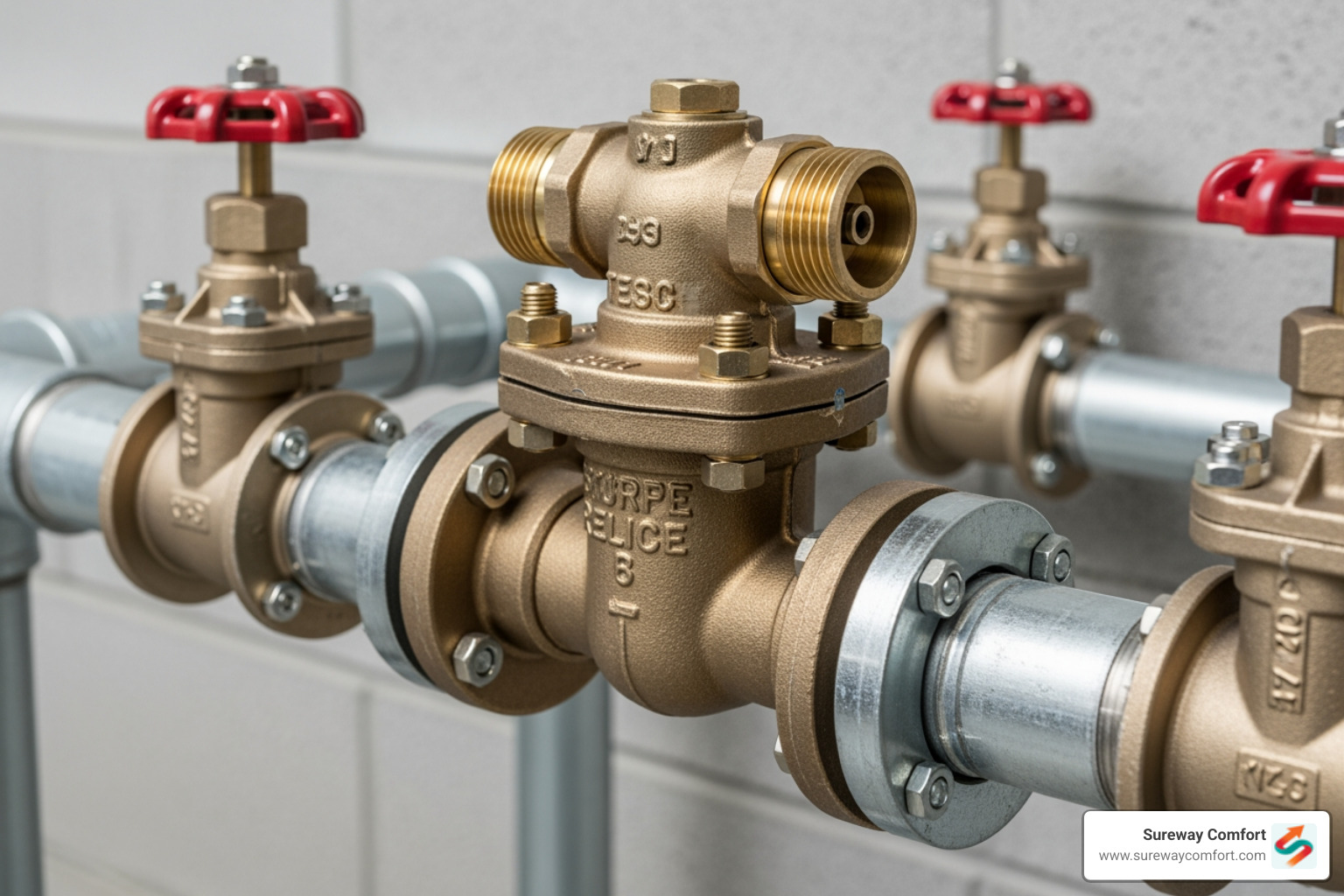
Why Your Water Safety System Matters
The scope of a backflow replacement project depends on the type of device, labor requirements, and your home's plumbing configuration. While many residential installations are straightforward, commercial systems and complex setups can be more involved.
Key Project Factors:
• Type of preventer (garden hose, sprinkler, main line)
• Labor and installation complexity
• Permit and testing requirements
• Condition of existing plumbing
Your backflow preventer is one of those plumbing components you probably never think about—until something goes wrong. This small but critical device sits in your water system, silently protecting your family's drinking water from contamination every single day. When it fails or reaches the end of its lifespan, understanding what's involved in a replacement helps you plan ahead and avoid the stress of emergency repairs. Whether you're in Bridgeville or the surrounding Pennsylvania communities, knowing what influences these projects puts you in control.
For comprehensive plumbing services including backflow solutions, visit our plumbing services page. When you're ready to ensure your water safety system is functioning properly, schedule a backflow inspection with Sureway Comfort's professional technicians.
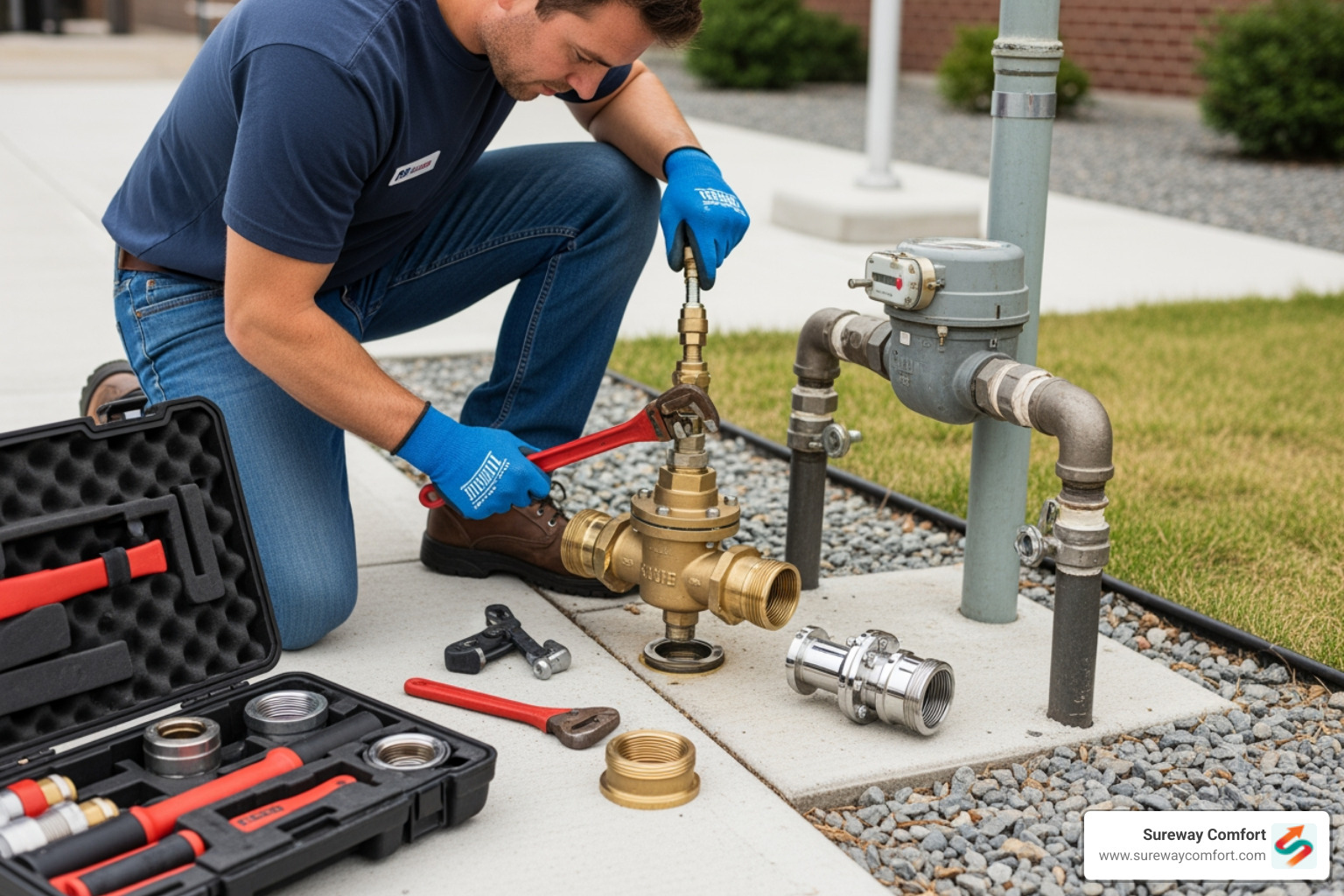
Key Factors That Influence Your Backflow Replacement Project
When it comes to replacing a backflow preventer, the final project is determined by more than just the device itself. We understand that navigating these factors can feel like a puzzle, but we're here to help you understand each piece. From the specific type of preventer needed to the complexity of the installation, several elements play a role in the total scope of a backflow replacement.
How the type of backflow preventer affects the project scope
The kind of backflow preventer you need is a major determinant of the overall replacement project. Not all backflow preventers are created equal; they come in various designs, each suited for different hazard levels and applications.
For instance, a simple backflow device for a garden hose or an appliance might be a relatively simple component to install. However, for more critical applications like sprinkler systems, main water lines, or sewer connections, you'll typically encounter more robust options. These include:
• Reduced Pressure Zone (RPZ) Valves: These are often used in high-hazard situations where the potential for contamination is significant. They are complex devices with multiple check valves and a relief valve, making them highly effective but also generally the most involved option to install.
• Double Check Valve Assembly (DCVA): Suitable for moderate hazard applications, DCVAs consist of two independently operating check valves. They are less complex than RPZs and typically have a more straightforward installation.
• Pressure Vacuum Breaker (PVB): Primarily used for irrigation systems, PVBs prevent back-siphonage. They are generally simpler than RPZs and DCVAs but are only suitable for certain types of installations where there is no continuous pressure.
The distinction between residential and commercial systems also significantly impacts the project. Commercial backflow preventers are often larger, more complex, and subject to stricter regulations due to the higher volume of water and potential for widespread contamination. While a residential backflow preventer replacement is a common project, a commercial installation is often a much larger undertaking, reflecting the larger device sizes, increased labor, and more stringent testing requirements.
Device size is another crucial factor. A larger backflow preventer with a wider diameter pipe connection will naturally be a more involved installation than a smaller one. This holds true for both the device itself and the labor required for its installation, as larger units can be heavier and more challenging to handle.
Finally, material quality also plays a role. While basic PVC pipe backflow preventers can be a suitable option for certain applications, more durable materials like brass and stainless steel are common for higher-grade preventers. These materials offer greater resistance to corrosion and can withstand higher pressures, contributing to their longevity and reliability.
Labor, Accessibility, and Installation Complexity
Beyond the device itself, the labor involved is a significant component of the total backflow replacement project. Our experienced technicians handle these crucial installations, and the total labor involved will depend on the job's complexity.
Installing a backflow preventer isn't always a straightforward task. Factors like the accessibility of existing pipes can greatly influence the time and effort required. If the preventer is located in a hard-to-reach area, such as buried underground, behind a wall, or in a cramped utility closet, our technicians will need more time, which increases the labor involved. For instance, accessing buried pipes for a sewer or basement drain preventer might involve excavation, adding both complexity and time to the project.
The installation time itself can vary dramatically. A simple replacement for a garden hose might take less than an hour, while a complex system replacement, especially in an older home with unique plumbing, could take several hours or even a full day.
It's also important to consider that in most areas, including our service locations like Bridgeville, McDonald, and Upper St. Clair, homeowners are not permitted to install their own backflow preventers. This isn't just about ensuring proper function; it's a legal requirement often enforced by local plumbing codes and water authorities to protect the public water supply. Attempting a DIY installation can lead to improper functioning, potential fines, and, most importantly, serious health hazards if contaminated water enters your potable water supply. That's why professional installation is not just recommended, but often mandatory.
How the condition of existing pipes affects the replacement project
The state of your existing plumbing system can be a silent influencer on your backflow replacement project. When our technicians arrive to replace a backflow preventer, they also assess the surrounding pipes. If your home has older pipes, especially those not made of modern plastic materials, the installation can become more challenging and involved.
Here’s why:
• Pipe Material: Older homes in areas like Bethel Park or Carnegie might have plumbing made from materials that are more brittle or incompatible with new backflow preventers. This could necessitate additional modifications or the replacement of a section of pipe.
• Corrosion or Damage: Over time, pipes can corrode, crack, or suffer other forms of damage. If our technicians find compromised pipes during the replacement process, these issues will need to be addressed to ensure the integrity of your water system. Necessary pipe repairs add to the overall scope of the project.
• System Modifications: Sometimes, the existing plumbing configuration isn't ideal for the new backflow preventer, or it may not meet current code requirements. This might require rerouting pipes, adding new connections, or making other system modifications to ensure proper functionality and compliance. These unforeseen adjustments can certainly impact the project.
• Older Homes: Homes in our service areas of Mt Lebanon or Green Tree that are older often present unique challenges. Their plumbing systems might not be up to current standards, or accessing them might be more difficult, leading to increased job complexity.
Addressing these pipe-related issues during the backflow preventer replacement is crucial. While it might seem like an extra step upfront, ensuring a robust and compliant plumbing system prevents future headaches, major repairs, and potential water contamination.
When to Replace Your Backflow Preventer: Lifespan and Failure Signs
Understanding the expected lifespan of your backflow preventer and recognizing the signs of failure are key to proactive maintenance and avoiding emergency situations. Generally, a backflow preventer is designed to last anywhere from 5 to 10 years. However, this lifespan can be influenced by factors such as water quality, the type of device, and environmental conditions. Regular annual inspections are vital in determining the health of your device and when a replacement might be necessary. Proactive replacement, rather than waiting for a complete failure, can save you from potential water damage, contamination, and the stress of a sudden plumbing emergency. It's all about safeguarding your water quality and protecting your family.
Common Signs of a Failing Backflow Preventer
Your backflow preventer works hard behind the scenes, so when it starts to falter, the signs might not always be obvious at first glance. However, paying attention to these indicators can help you catch a problem early and prevent serious water contamination issues:
• Leaks or drips from the valve: This is perhaps the most straightforward sign. Any visible water escaping from the backflow preventer itself, or the pipes immediately surrounding it, indicates a problem. While sometimes a repair might suffice, persistent leaks often point to internal component failure requiring replacement.
• Sudden water pressure drops: If you notice a significant decrease in water pressure throughout your home, especially when multiple fixtures are in use, a malfunctioning backflow preventer could be the culprit.
• Discolored or rusty water: Water that appears brown, yellow, or rusty coming from your faucets is a major red flag. This can indicate corrosion within your plumbing system, including the backflow preventer, or even worse, contamination entering your clean water supply.
• Slow or gurgling drains: While often associated with drain clogs, unusual drain behavior can sometimes be linked to issues with the backflow prevention system, particularly in sewer backflow preventers.
• Foul odors from faucets: This is perhaps the most alarming sign. If your tap water smells like sewage, sulfur, or any other unpleasant odor, it's a strong indication that contaminated water is entering your potable water supply. This requires immediate attention from a plumbing professional.
If you observe any of these signs in your home in areas like South Fayette, Oakdale, or Collier, it's crucial to contact us right away. Ignoring these warnings can lead to significant health risks and major repairs down the line.
Beyond the Valve: Associated Project Considerations
When you're planning for a backflow preventer replacement, it's tempting to think about just the device and the installation labor. But here's the thing—that's not quite the full picture. There are several other important considerations that come with this project, and understanding them upfront helps you plan accurately and avoid surprises. These additional factors aren't just bureaucratic problems; they're essential pieces of the puzzle that ensure your water safety system is legal, functional, and properly maintained for years to come.
Permits and Local Regulations
Before any wrench turns or valve gets installed, there's often paperwork to handle. In our service communities—from Canonsburg and Scott Township to Brookline and beyond—local municipalities typically require permits for backflow preventer installation and replacement. This isn't red tape for the sake of it; these permits ensure that your installation meets established plumbing codes and protects the broader community's water supply.
The permit process is an administrative step that gives your local authority a record of the work being done. The compliance it represents is invaluable. Working with our team at Sureway Comfort means you don't have to steer this process alone. We're familiar with the local requirements in Bridgeville, McDonald, Upper St. Clair, and throughout our service area, and we'll help ensure everything is done by the book.
Why does this matter so much? Because ensuring compliance protects you from potential fines down the road and, more importantly, guarantees that your installation won't need to be redone because it didn't meet code. It's about doing things right the first time, which saves you hassle and worry in the long run.
Mandatory Post-Replacement Testing
Here's something many homeowners don't realize until they're in the middle of a replacement project: once your new backflow preventer is installed, it must be tested before it's officially approved for use. This isn't optional—it's a mandatory requirement enforced by local water authorities to verify that your device is actually doing its job.
This professional testing process involves a qualified specialist using specialized gauges and equipment to check that all the internal components—the check valves, relief mechanisms, and pressure zones—are functioning within the required specifications. Think of it as a final quality check that confirms your drinking water is truly protected from contamination.
After the test is complete, a detailed report gets submitted to your local water authority, documenting that your system meets all compliance standards. This step is non-negotiable and absolutely critical to the success of your replacement project. The peace of mind knowing that a qualified professional has verified your system's integrity is invaluable.
If you'd like to learn more about this essential service and what it involves, visit our backflow testing services page for detailed information.
Ongoing Maintenance and Future Considerations
Installing a new backflow preventer isn't a "set it and forget it" situation. Like any important system in your home, it requires ongoing attention to keep working properly. The most significant ongoing requirement is annual testing. Every year, your backflow preventer needs to be inspected and tested by a qualified professional to ensure it's still protecting your water supply effectively. This isn't just good practice—it's typically required by local regulations in our service areas.
But there are other considerations that can affect the long-term health and security of your investment. If your backflow preventer is installed outdoors, freeze protection becomes crucial during our Pennsylvania winters. This might mean adding insulation around the device, installing a thermostatic freeze relief valve, or even investing in a heated enclosure. Taking these precautions prevents freeze damage that could crack your preventer and leave you facing an emergency replacement in the middle of winter.
Another reality we need to talk about is theft. Unfortunately, backflow preventers—especially those made with brass or copper—can be targets for thieves looking to sell the metal. If your device is in an accessible outdoor location, an anti-theft enclosure might be a smart investment. These sturdy, custom-fitted boxes protect your equipment and save you from the headache of replacing a stolen unit.
Beyond these specific items, maintaining your long-term system health comes down to staying alert. Regular visual inspections and watching for the warning signs we discussed earlier help you catch small issues before they become big problems. Being proactive about maintenance and addressing concerns promptly can significantly extend the lifespan of your backflow preventer, protecting your family's health.
At Sureway Comfort, we're here to support you through all these stages—from initial replacement through years of ongoing care. When you understand the full scope of what goes into maintaining a backflow prevention system, you're empowered to make informed decisions that keep your water safe and your home protected.
Frequently Asked Questions about Backflow Preventer Replacement
When we talk with homeowners throughout the Bridgeville area, we hear many of the same questions about backflow preventers. These devices might be unfamiliar to many people, so it's natural to have questions when facing a replacement. Let's address some of the most common concerns we encounter.
What's the difference between a backflow preventer and a backwater valve?
We understand the confusion—these two devices have similar-sounding names, but they're actually protecting different parts of your home's plumbing system in very different ways.
Your backflow preventer is all about safeguarding your drinking water. It's positioned on your potable water supply line, where it acts as a one-way gate ensuring that clean water flows from the municipal supply into your home—and only in that direction. This device prevents contaminated water from sources like your irrigation system, swimming pool, or even your own internal plumbing from reversing course and flowing backward into the clean water supply. This reverse flow typically happens during sudden pressure drops in the main water line, and without a functioning preventer, you could end up with chemicals, bacteria, or other contaminants in your drinking water.
A backwater valve, on the other hand, lives in your drainage and sewer system. Its job is to prevent sewage and wastewater from backing up into your home during heavy storms, flooding events, or when the municipal sewer system becomes overwhelmed. Think of it as a barrier that blocks the reverse flow in your drain pipes, protecting your basement and living spaces from messy and potentially hazardous sewage backups.
Both devices are essential for different types of system protection, but they're tackling completely different contamination risks in separate parts of your plumbing infrastructure. When we talk about backflow replacement, we're specifically referring to the device protecting your drinking water, not your drainage system.
How long does a typical backflow preventer replacement take?
The honest answer is that it depends on what we're working with. Every home and plumbing system has its own personality, and that affects how long the job takes.
For a straightforward replacement—like swapping out a simple backflow preventer on a garden hose connection or a basic appliance line—our technicians can often complete the work in under an hour. These installations are usually pretty quick because the new device fits right into the existing setup without much fuss.
However, when we're dealing with more complex systems, the timeline changes. A main water line backflow preventer, a large irrigation system device, or a commercial property installation can take several hours, sometimes stretching into a full day's work. Several factors influence this timeframe: the physical size and weight of the device, how easy it is to access the installation location (remember those hard-to-reach spots we mentioned earlier?), the condition of your existing pipes, and whether we need to make any modifications to bring everything up to code.
Our experienced team works efficiently to minimize disruption to your day, but we never cut corners. Professional efficiency means doing the job right the first time, which ultimately saves you time and hassle in the long run.
Is it better to repair or replace a failing backflow preventer?
This is one of the most important questions we help homeowners answer, and there's no one-size-fits-all response. It's a bit like deciding whether to keep patching up an old pair of boots or invest in a new pair—sometimes a simple fix works, but other times you're just delaying the inevitable.
When repair makes sense: If your backflow preventer is relatively young and the problem is minor—maybe a worn gasket, a small seal issue, or a simple component that's easily replaced—a repair can be a practical solution. These fixes can get your device back in working order without the need for a full replacement.
When replacement is the smarter choice: However, if your device is approaching or has already surpassed that 5 to 10 year lifespan, we typically recommend replacement. Here's why: older devices become increasingly prone to repeated failures, and multiple repair calls can become more involved than simply installing a brand-new unit. Additionally, sometimes the specific parts needed for a repair are hard to find, making the repair nearly as involved as starting fresh.
There's also the reliability factor to consider. A new backflow preventer gives you renewed peace of mind, improved efficiency, and typically comes with a manufacturer's warranty. You're essentially resetting the clock on your water safety system, ensuring it's operating at peak performance and providing the protection your family deserves.
When our professional technicians assess your situation, we'll give you an honest recommendation. We'll explain the condition of your current device, discuss whether a repair is genuinely feasible, and help you understand the long-term value of replacement versus short-term fixes. Our goal is always to provide you with the information you need to make the best decision for your home, especially when dealing with something as critical as your family's water safety.
Conclusion: A Worthwhile Investment in Your Home's Safety
Understanding a backflow replacement project isn't just about the hardware—it's about recognizing the value of protecting what matters most: your family's health and your home's water safety. We've walked through the various factors together, from the type and size of the preventer you need to the complexity of installation, the state of your existing pipes, and those important extras like permits and mandatory testing. Each piece plays a role in the final project.
The scope of the project can vary. A straightforward residential replacement is different from a complex commercial installation, which naturally is a larger undertaking. But here's the thing: the peace of mind that comes with knowing your drinking water is protected from contamination? That's invaluable. This isn't just a plumbing component—it's a health safeguard working silently in the background, every single day.
That's exactly why professional installation by qualified technicians isn't optional. It's often a legal requirement, but more importantly, it's the smart choice. Our team at Sureway Comfort has the expertise to handle your backflow service correctly from start to finish. We steer the permits, ensure code compliance, and install your preventer so it functions exactly as it should. Serving homeowners throughout Bridgeville, McDonald, Mt Lebanon, Bethel Park, Canonsburg, Collier, South Fayette, Upper St. Clair, Carnegie, Green Tree, Scott Township, Brookline, and Oakdale, we're here to make the process straightforward and stress-free.
Don't wait until you notice discolored water or a mysterious drop in pressure. Proactive maintenance and timely replacement are your best defense against contamination and major emergency repairs. When you're ready to give your home's water safety system the attention it deserves, schedule your professional backflow service today with Sureway Comfort. Your family's health and your long-term peace of mind are worth it.




.svg)
.avif)


