


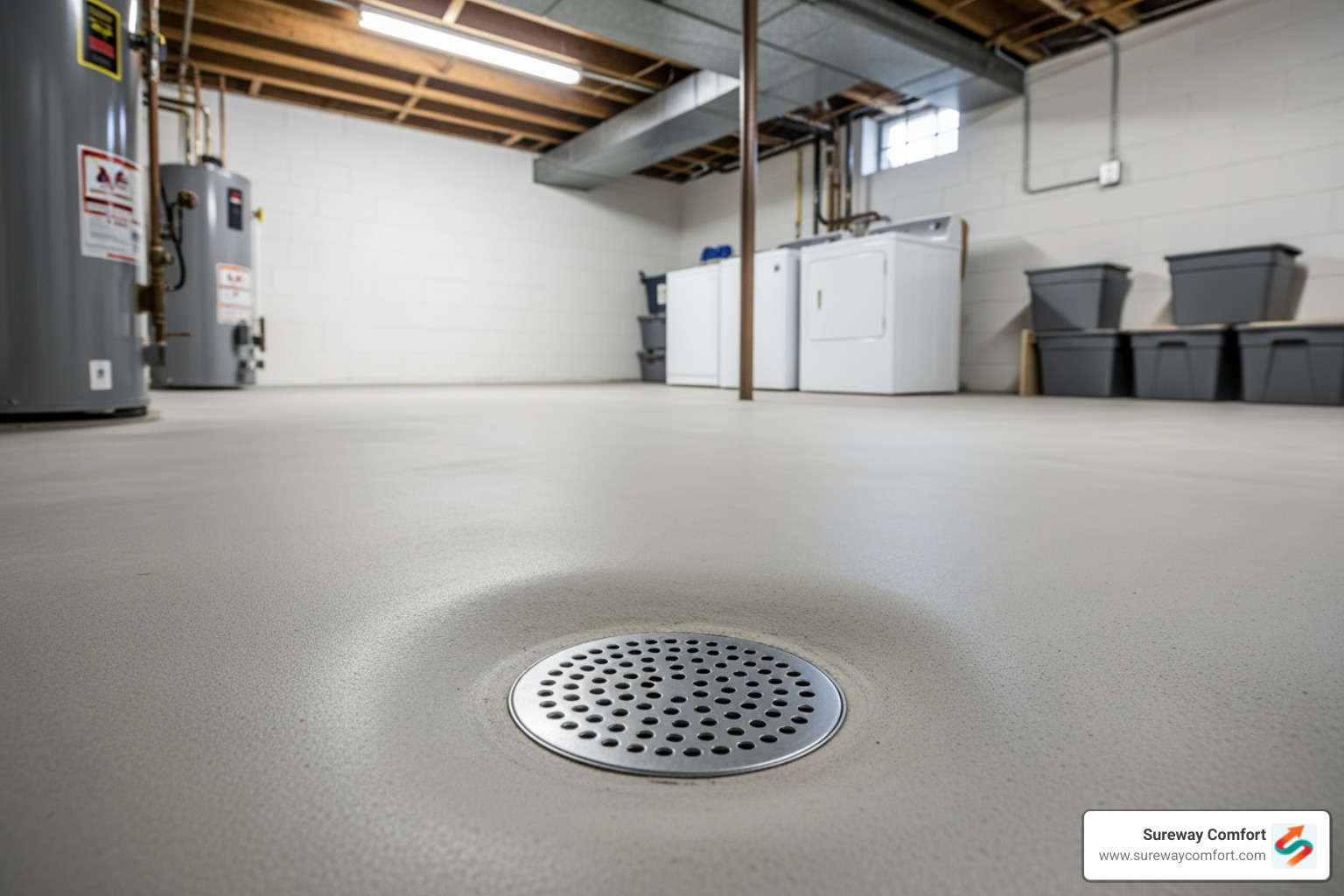
Your First Line of Defense: Understanding Your Floor Drain
Floor drain purpose; Basement flooding prevention; Water damage; Sewer gas barrier; P-trap function;
Signs of a Clogged Floor Drain
Slow draining water; Standing water; Puddles around the drain; Gurgling sounds; Foul odors; Sewage backup; drain-odor-removal.
Common Causes of Clogs
Hair and soap scum; Dirt and debris; Grease and oil buildup; Small objects; Mineral deposits from hard water; solidify inside the pipe; Main sewer line issues; clogged-sewer-line.
Effective DIY Methods for a Clogged Floor Drain
When a floor drain clogged situation arises, your first thought might be, "Can I fix this myself?" Often, for minor clogs, the answer is yes! Before you dive in, safety comes first. Always wear gloves and eye protection to keep yourself safe from any splashing water or debris. Take a moment to assess the clog as best you can – knowing what might be causing the issue can help you choose the right approach. Ready to get started? We've got more tips on how to clear a clogged drain on our blog.
Natural and Homemade Solutions
For lighter clogs, you might not even need special tools. Sometimes, a simple, natural approach can do the trick! Start with boiling water. Carefully pour a kettle full down the drain. This can help melt grease and loosen up soap scum.
If that doesn't work, a classic combination of baking soda and vinegar is often effective. Pour about a cup of baking soda into the drain, followed by a cup of white vinegar. You'll hear it fizz and bubble – that's the chemical reaction doing its work! Let it sit for 30 minutes to an hour, then flush with hot water. This cost-friendly interaction is a great way to tackle minor blockages, as explained by scientific resources like Scienceline. For visible blockages, manual debris removal with pliers or tweezers can also be surprisingly effective. These methods are best for minor clogs and can often save you a call to a professional.
Using Mechanical Tools: Plungers and Drain Snakes
When natural solutions don't quite cut it, it's time to bring in some reinforcements from your toolbox. For many floor drain clogged issues, a few essential tools for DIY drain cleaning can make a big difference. First up is the plunger. For floor drains, make sure you have a plunger with a flat, bell-shaped cup, or even an accordion plunger designed for stronger suction. The key to effective plunging technique is to create a tight seal over the drain opening. Give it several firm pushes and pulls, then quickly pull it away. You might be surprised at what comes up!
If plunging doesn't clear the blockage, a handheld drain auger (or snake) is your next best friend. This flexible tool can reach deeper into the pipe to physically break up or pull out the clog. Slowly feed the auger into the drain until you feel resistance. Twist the handle to help the auger head work through the blockage, then pull it back out. This action helps in breaking up the blockage. While snaking can be very effective, it requires a bit of finesse to avoid damaging your pipes. If you're in the Bethel Park, PA area and find yourself needing expert help with drain snaking, our Sureway Comfort team is always ready to assist.
A Word of Caution on Chemical Drain Cleaners
While chemical drain cleaners are readily available, we generally advise homeowners to approach them with extreme caution – or better yet, avoid them altogether. These harsh chemicals come with several drawbacks. They pose significant safety hazards due to their corrosive nature, which can cause severe burns to skin and eyes. Beyond personal safety, they can lead to risks of pipe damage, especially with older or PVC pipes, potentially creating even bigger problems down the line. There are also notable environmental concerns associated with these chemicals washing into our water systems.
What's more, they are often ineffective on tougher clogs and can even make a floor drain clogged situation worse by solidifying certain types of blockages. For these reasons, we strongly recommend sticking to the natural and mechanical methods we've discussed. These are much safer alternatives for both your plumbing and your family. If DIY methods aren't working, it’s always best to call a professional for a safe and effective solution.
Basement vs. Garage Floor Drains: Key Differences
Not all floor drains face the same challenges. Where your drain is located makes a big difference in what's likely to clog it—and how you'll tackle the problem.
Basement floor drains typically deal with indoor debris. You'll find laundry lint making its way down from washing machines, along with hair and soap scum if you have a utility sink nearby. HVAC condensation lines also drain here, which can leave behind mineral deposits over time. The environment is generally cleaner, but that doesn't mean clogs can't happen.
Garage floor drains, on the other hand, face a much tougher battle. They're your first line of defense against outdoor mess—mud and leaves tracked in on your car, road salt that melts off during winter, and even oil or chemical residues from vehicle maintenance. These drains work hard to keep your garage dry and safe.
Understanding these differences helps you prevent problems before they start and know exactly what you're dealing with when a floor drain clogged situation does pop up.
Unclogging a Basement Floor Drain
When your basement drain backs up, you're usually dealing with a combination of household culprits. Hair and soap scum from laundry activities are common offenders—they bind together and create stubborn blockages over time. Dirt and dust that accumulate on your basement floor eventually wash down the drain too.
Mineral buildup is another sneaky problem, especially if you have hard water. These deposits slowly narrow your pipes until water can barely squeeze through. The good news? Most basement clogs respond well to the DIY methods we covered earlier—boiling water, baking soda and vinegar, or a good plunging session.
If your basement drain connects to your laundry room plumbing, pay extra attention to lint buildup. Installing a lint trap on your washing machine discharge can save you a lot of headaches down the road.
Specific Causes of a Garage Floor Drain Clogged with Debris
Garage drains earn their keep by handling some seriously tough debris. Outdoor debris like leaves, grass clippings, and dirt come in on your tires and shoes. When mud washes off and flows down the drain, it can solidify inside the pipe, creating a cement-like blockage that's much harder to clear than typical household grime.
Small pebbles are another challenge—they don't break down or dissolve, so they just sit there creating obstacles for water flow. In winter, frozen pipes can stop your drain completely, leaving you with standing water and ice.
The oil and chemical residues common in garages add another layer of difficulty. They can coat your pipes and trap other debris, building up slowly until you have a serious clog on your hands.
Because garage drains face such harsh conditions, they often need more aggressive cleaning methods. If you're dealing with a stubborn garage floor drain clogged with solidified debris, the professionals at Sureway Comfort have the tools and experience to handle it. Check out our clogged drain services in Bridgeville, PA for help with even the toughest blockages.
When DIY Isn't Enough: Calling a Professional
While tackling a floor drain clogged with a plunger or homemade solution can be satisfying, sometimes the problem is just too big for a DIY fix. There are clear signs that it's time to call in the experts.
How do you know when you've hit your limit? If you're dealing with persistent clogs that keep coming back, or if multiple drains in your home are slow or backed up, these are big red flags. It often points to a larger issue within your plumbing system.
Even more concerning is sewage backup coming from your floor drain. This is a serious sign of a suspected main line blockage and needs immediate attention from a professional. You definitely don't want wastewater entering your home! Our team is ready to help with sewer line repair when these emergencies strike.
Another common culprit for stubborn clogs, especially in main lines, is tree root intrusion. Roots can grow into your pipes, creating a dense blockage that DIY methods simply can't touch. You can learn more about how tree roots can damage drains on our blog.
When these bigger issues arise, our skilled technicians come equipped with professional tools that go far beyond what you'll find at the hardware store. For instance, we often use hydro-jetting. This powerful technique uses high-pressure water to blast away even the toughest blockages, leaving your pipes sparkling clean. Find more about hydro-jetting and its benefits.
We also use video camera inspection. This allows us to see exactly what's going on inside your pipes without any guesswork. It helps us pinpoint the exact location and nature of the clog, ensuring we provide the most effective solution for your floor drain clogged situation. Don't let a challenging drain issue stress you out. When DIY solutions fall short, Sureway Comfort is here to help.
Preventing Future Clogs: Simple Maintenance Habits
The best way to deal with a floor drain clogged with debris? Stop it from happening in the first place. A few simple habits can save you from the headache of standing water and emergency plumbing calls.
Regular cleaning is your first line of defense. Once a month, remove the drain cover and clear away any visible debris. It takes just a few minutes, but it can prevent a small buildup from turning into a major blockage.
Pouring hot water down your floor drain weekly helps dissolve soap scum, grease, and other sticky substances before they can harden inside your pipes. This simple habit keeps things flowing smoothly and costs you nothing.
Drain covers or screens are inexpensive little heroes. They catch hair, dirt, and other debris before it enters your drain system. Just remember to clean them regularly—a covered drain full of gunk isn't doing its job.
Proper waste disposal matters more than you might think. Never pour grease, oil, or chemicals down your floor drain. These substances can solidify inside your pipes or damage your plumbing system. When in doubt, throw it out—in the trash, that is.
Finally, scheduling a professional plumbing inspection gives you peace of mind. Our experienced technicians can spot potential problems before they become expensive emergencies. Regular maintenance catches issues like mineral buildup, tree root intrusion, and main line concerns that DIY methods simply can't address. Learn more about our plumbing-inspection-service and how it protects your home.
Think of drain maintenance like changing your car's oil—a little prevention now saves you from costly repairs down the road.
Frequently Asked Questions about Clogged Floor Drains
Got a few lingering questions about your floor drain clogged situation? You're not alone! Here are some common concerns homeowners have, along with straightforward answers to help you understand what's happening beneath your floors.
Why is there sewage coming up through my basement floor drain?
If you're seeing sewage backing up through your basement floor drain, that's a serious red flag – and definitely not a good day! This usually points to a significant blockage in your main sewer line. When the main line gets backed up, the pressure has to go somewhere, and it often finds the lowest point in your home, which is typically your basement floor drain.
What to do immediately: Stop using water in your home right away! Don't flush toilets, run showers, or use sinks. Then, it's time to call in the experts. A professional can quickly diagnose and fix the issue, preventing further damage and restoring peace of mind. For serious blockages, Sureway Comfort is ready to help.
Is it normal for some water to be sitting in the floor drain?
Yes, absolutely! It's perfectly normal to see a small amount of water resting in your floor drain. This isn't a sign of a clog, but rather a sign that your P-trap is doing its job. The P-trap is a curved section of pipe that holds a small water seal, acting as a barrier to prevent unpleasant sewer gases from wafting up into your home.
However, if you see water pooled above the drain cover, or if there's standing water that's not moving, then you likely have a floor drain clogged and it's time to investigate further.
How can I prevent my basement drain from backing up when it rains?
Heavy rain can sometimes be a challenge for home drainage systems, especially if municipal sewer lines become overwhelmed. To protect your basement, start by ensuring your gutters and downspouts are clean and directing water well away from your home's foundation. This simple step can make a big difference.
For added protection, a plumbing professional from Sureway Comfort can inspect your home's drainage system. They might recommend installing a backwater valve, which is a device designed to prevent sewage or stormwater from flowing back into your home through your drains during heavy rainfall or sewer surges. It's a smart upgrade for extra peace of mind! For more information on how we can help, explore our comprehensive plumbing services.
Keep Your Drains Flowing Freely
A floor drain clogged with debris doesn't have to be a disaster. By following the simple steps we've covered—from natural cleaning solutions to mechanical tools—you can tackle most clogs before they become major problems.
Regular maintenance is your best friend when it comes to avoiding water damage in your basement or garage. A few minutes spent pouring hot water down your drains or checking for debris can save you hours of cleanup and potentially thousands in repairs. According to the US Environment Protection Agency, even small leaks and drainage issues can lead to significant water waste and damage over time.
Prevention always beats repair. Make it a habit to use drain covers, dispose of waste properly, and keep an eye out for early warning signs like slow drainage or unusual odors.
But here's the thing—not every clog is a DIY project. When you're dealing with persistent blockages, sewage backup, or multiple drains acting up at once, it's time to call in the experts.
That's where Sureway Comfort's experienced technicians come in. We've seen it all, from simple hair clogs to complex main line blockages, and we have the tools and expertise to handle whatever your drains throw at us. Our team uses advanced equipment like hydro-jetting and video camera inspections to diagnose and fix problems quickly and effectively.
For persistent clogs or a comprehensive plumbing system check, trust our experienced technicians to restore your peace of mind. More info about plumbing services.
Your drains work hard for you every day. Give them the care they deserve, and they'll keep your home safe and dry for years to come.






.svg)
.avif)


