


Your Guide to Natural Drain Cleaning
Cleaning drains with baking soda and vinegar is a simple, eco-friendly method that can tackle minor clogs and keep your drains flowing smoothly. When your kitchen or bathroom sink starts draining slowly, or you notice unpleasant odors coming from the drain, this natural solution offers a safe alternative to harsh chemical cleaners. Here's the quick method:
Quick Steps:
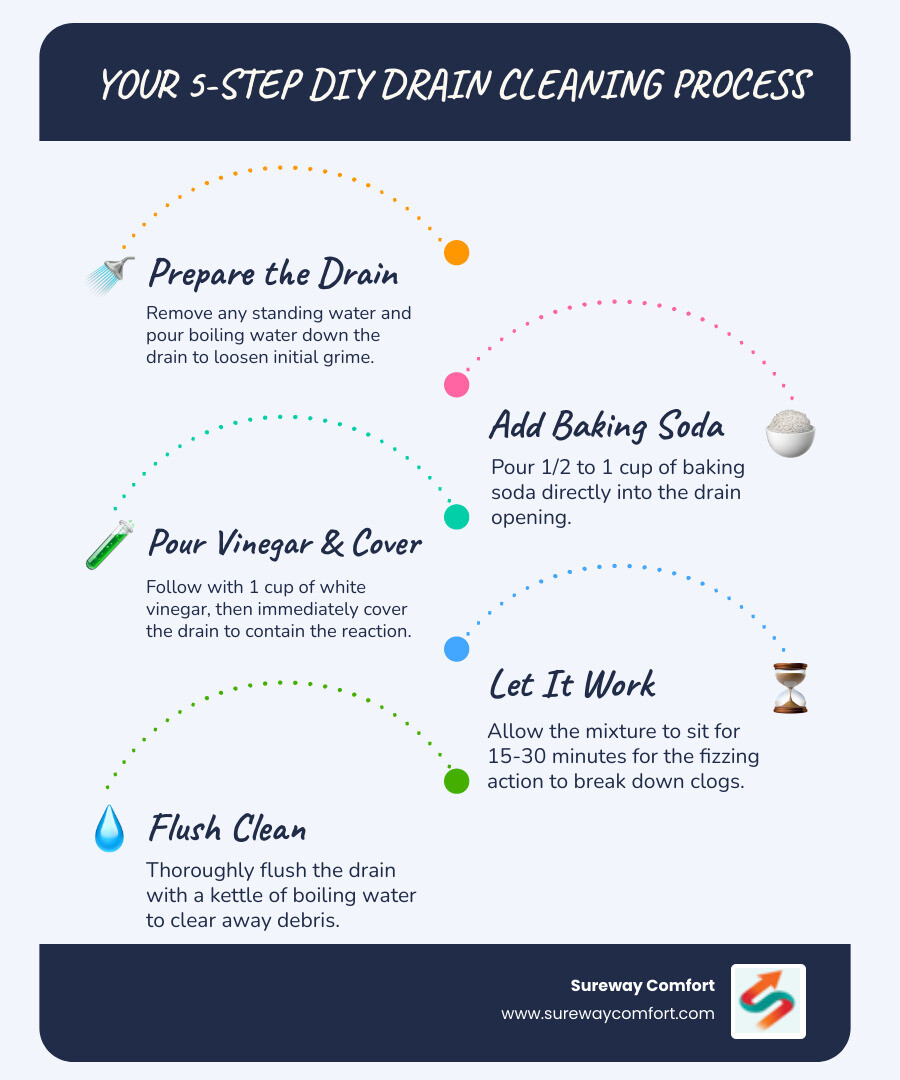
1. Pour 1/2 to 1 cup of baking soda down the drain
2. Follow with 1 cup of white vinegar
3. Cover the drain and wait 15-30 minutes
4. Flush with boiling water
Got a slow-moving drain on your hands? Between the dirt, gunk, soap scum, and grease that swirl down our sink drains daily, pipes are bound to get sluggish from time to time. For homeowners in Bridgeville and the surrounding areas, knowing how to tackle minor drain issues yourself can save time and hassle. This guide will walk you through the complete process of using these two common household ingredients to freshen and clear your drains.
For more comprehensive solutions to plumbing issues, check out our drain cleaning services, or if you're dealing with a stubborn blockage right now, contact our team for professional help.
What You'll Need for This DIY Solution
Before we dive into the steps for cleaning drains with baking soda and vinegar, let's gather our simple, inexpensive ingredients. You'll likely find most of these items already in your pantry or under your sink, making this a convenient and cost-effective solution for those minor drain woes.
Materials Needed:
• Baking soda: A kitchen staple, this alkaline substance is a powerful cleaning agent. We'll need about ½ to 1 cup.
• Distilled white vinegar: This mild acetic acid will react with the baking soda to create our drain-clearing fizz. We'll also need about 1 cup.
• Boiling water: Hot water is crucial for helping to loosen material and flush away debris. You'll need a kettle or pot.
• Drain plug or cloth: To cover the drain opening and contain the chemical reaction.
• Measuring cups: For accurate proportions of baking soda and vinegar.
That's it! No harsh chemicals, no specialized tools, just common household items ready to bring your drain back to life.
Your Step-by-Step Guide to Cleaning Drains with Baking Soda and Vinegar
When your kitchen sink starts draining slower after washing dishes, or your bathroom drain struggles with soap buildup, it's time to reach for this natural solution. Cleaning drains with baking soda and vinegar works particularly well for slow-draining sinks and partial clogs caused by organic materials like grease, food residue, and soap scum.
This method is perfect for regular maintenance of both your kitchen sink and bathroom drain. If you're dealing with more serious blockages, our comprehensive Drain Cleaning services are here to help.
Step 1: Prepare the Drain
Before we start the fizzing action, we need to prep your drain for the best results.
Start by removing any standing water from the sink. Use a bucket or cup to scoop it out—we want the baking soda and vinegar to reach the clog directly, not get diluted in a pool of water sitting in your sink.
Next, pour boiling water straight down the drain. This initial flush helps loosen grime that's been building up and melts any grease clinging to your pipes. The hot water also warms up the pipes, which makes the cleaning process more effective.
If you have older pipes, stick with very hot tap water instead of aggressively boiling water to avoid stressing your plumbing. For kitchen sinks dealing with greasy buildup, add a squirt of grease-fighting dish soap before the hot water for an extra cleaning boost.
Step 2: Add the Baking Soda and Vinegar
Now comes the fun part—the fizzing reaction that makes this method so satisfying to watch!
Slowly pour ½ to 1 cup of baking soda directly down the drain opening. If your drain has a strainer covering it, you might need to use a funnel to get the baking soda deep into the pipe where it needs to go.
Immediately follow with 1 cup of vinegar. The moment these two ingredients meet, you'll hear and see the magic happen—lots of fizzing and bubbling. This isn't just for show; it's a genuine chemical reaction that helps break apart the gunk in your pipes.
Right away, cover the drain with a drain plug or damp cloth. This step is crucial because it traps the fizzing action inside the pipe, forcing the cleaning power down toward the clog rather than letting it escape up through the drain opening.
Step 3: Let the Mixture Work and Flush
Now we need a little patience to let the science do its work.
Wait 15-30 minutes while the baking soda and vinegar reaction works on breaking down the clog. The carbon dioxide gas created by the reaction helps dislodge debris stuck to your pipe walls. For tougher partial clogs, you can let it sit longer—even up to an hour or overnight for stubborn situations.
After your waiting period is up, remove the cover and carefully flush with boiling water one more time. This final rinse washes away all the loosened grease, soap scum, and grime, carrying it through your pipes and out of your home.
If your drain still seems sluggish after one round, don't worry—you can repeat the process. Sometimes stubborn clogs need a second treatment. For more help with common kitchen drain issues, check out our guide on Kitchen Sink Drain Problems Solutions.
Still having trouble after a couple of tries? That might mean you're dealing with something more serious than this DIY method can handle. Our team is ready to help with professional services to Clear Clogged Drain problems for homeowners throughout Bridgeville and the surrounding communities.
The Science, Benefits, and Limitations
Understanding how and why cleaning drains with baking soda and vinegar works—along with its benefits and limitations—can help you decide when to use this DIY method and when to call in the professionals. This natural approach is particularly useful for breaking down organic materials, tackling grease buildup, and dissolving soap scum. It can also be an excellent method for Drain Odor Removal.
How the Fizzing Action Works
The magic behind this DIY drain cleaner lies in a classic acid-base reaction that's both fascinating and effective.
Baking soda (sodium bicarbonate) is an alkaline substance, also known as a base, while white vinegar is a mild acetic acid. When these two common household items meet in your drain, they react in a somewhat dramatic fashion to neutralize one another. The fizzing and bubbling action you hear and see is actually the release of carbon dioxide gas—the same gas that makes soda fizzy!
This chemical reaction that bubbles creates pressure and agitation within the drain, which helps to physically dislodge debris, grease, and grime that's been clinging to your pipe walls. Think of it as a gentle, natural scrubbing action happening inside your pipes. The boiling water you add afterward provides heat to melt fats and oils, plus additional pressure to push the loosened blockage through the pipe and out of your plumbing system.
The Benefits of cleaning drains with baking soda and vinegar
Compared to many commercial drain cleaners, the baking soda and vinegar method offers several compelling advantages that make it a smart choice for regular maintenance and minor clogs.
First and foremost, this solution is eco-friendly. It's natural and biodegradable, meaning it won't pollute waterways or harm aquatic ecosystems when it goes down the drain. Many commercial drain cleaners contain corrosive and toxic chemicals like sulfuric acid, hydrochloric acid, or sodium hydroxide (lye), which can be environmentally hazardous. Our natural method leaves no such footprint.
It's also non-toxic and safer for your home. Unlike harsh chemical cleaners that can cause burns to eyes, skin, and lungs, baking soda and vinegar are safe enough to eat (though we don't recommend it!). There's no risk of inhaling toxic fumes or accidental exposure to dangerous substances, making it a much better choice for homes with children and pets.
From a budget perspective, this method is incredibly inexpensive. You likely already have baking soda and vinegar in your pantry, making this a cost-effective way to maintain your home's Plumbing without buying specialized products. A box of baking soda costs just a couple of dollars and can be used for multiple treatments.
Your pipes will thank you too, because this natural remedy is safer for pipes. Chemical drain cleaners can corrode metal piping over time, especially older ones, and degrade joint seals, caulking material, and plastic piping. Our gentle approach reduces the risk of damage and can actually extend the life of your plumbing system.
Finally, baking soda is known for its ability to deodorize drains. When combined with vinegar, it not only helps clear clogs but also leaves your drains smelling fresh and clean, eliminating those unpleasant odors that can sometimes waft up from your sink.
Understanding the Limitations and Risks
While cleaning drains with baking soda and vinegar is a fantastic DIY solution, it's important to understand its limitations and potential risks so you know when to try it and when to call for backup.
This method is best suited for partial clogs only. It works by loosening debris and generating pressure, but it's generally not powerful enough to clear a complete, solid blockage. If your drain is completely clogged and water isn't draining at all, the baking soda and vinegar mixture won't have enough space to penetrate and work effectively. For total blockages, you'll need a different approach.
The fizzing action is also less effective for hair clogs. While it can help dislodge some hair, very dense hair clogs—especially those intertwined with soap scum deep in your bathroom drain—might require more mechanical removal, such as a drain snake or professional intervention.
There's also potential damage to old pipes to consider. While generally safer than chemical cleaners, frequent use of boiling water, particularly on older or compromised PVC pipes, could potentially cause stress or damage. Some experts also suggest that very frequent application of the baking soda and vinegar reaction could, over a very long time, potentially erode the protective coating in some pipes. It's always wise to exercise caution, especially with older plumbing systems.
If the baking soda and vinegar method doesn't work after a couple of attempts, or if you suspect a more serious issue, it's time to consider when to call a professional plumber. Ignoring persistent clogs can lead to bigger problems down the line, including pipe damage or backups that affect multiple fixtures in your home. A Clogged Drain can sometimes indicate a larger issue lurking in your plumbing system that requires professional diagnosis and treatment.
Proactive Drain Care and When to Call a Professional
The best way to deal with drain clogs? Don't let them happen in the first place. A little regular attention goes a long way in keeping your pipes flowing freely, whether you're in Carnegie, Green Tree, or anywhere else in our service area. Think of it as preventative care for your plumbing—much easier than dealing with a backed-up sink at dinnertime! We're always here to provide Reliable Drain Service when you need it, but let's see how you can minimize those needs.
How Often to Clean and Prevent Future Clogs
Making drain care part of your regular home routine doesn't have to be complicated. A few simple habits can save you from major headaches down the road.
Weekly hot water flushes are your first line of defense. For kitchen sinks especially, run hot water mixed with a squirt of liquid grease-fighting dish soap (like Dawn) down the drain once a week. This helps prevent grease from building up on pipe walls before it becomes a problem.
For monthly maintenance, consider giving your bathroom drains a baking soda and vinegar treatment. If you have a busy kitchen sink that sees a lot of cooking grease, you might want to do this weekly. Just be mindful with older pipes—while this method is gentle, you don't want to overdo it.
One of the simplest preventative tools? Drain strainers. These inexpensive little screens catch hair, food particles, and other debris before they can slip into your pipes. Pop them in all your sinks and shower drains, and make it a habit to empty them regularly. It's much easier to toss trapped hair in the trash than to fish it out of a clogged pipe later.
Here's the golden rule: Never pour grease, oil, or fat down your drains. Ever. These substances might look harmless when they're hot and liquid, but as they cool, they solidify and cling to your pipe walls like glue, trapping other debris and creating stubborn blockages. Instead, wipe greasy pots and pans with a paper towel before washing, and toss that grease in the trash where it belongs.
What else should stay out of your drains? Coffee grounds accumulate into sludgy clogs. Egg shells have membranes that stick to pipes. Starchy foods like pasta and rice expand and create blockages. Stringy vegetables like celery can wrap around disposal blades. Hair is a bathroom drain's worst enemy, especially when mixed with soap scum. And despite what the package says, "flushable" wipes don't actually break down like toilet paper—they're a major cause of plumbing nightmares. Medications and harsh chemicals don't belong down there either, as they can harm the environment and damage your pipes.
For a deeper dive into professional drain care, check out our Drain Cleaning Companies Complete Guide.
Bonus Tip: Deodorizing Your Garbage Disposal
Your garbage disposal works hard grinding up food scraps day after day. Sometimes it needs a little spa treatment of its own to smell fresh again. Baking soda and vinegar, along with a few other household items, can bring it back to life.
Try this baking soda and vinegar refresh: Run hot water for a minute, then drop ¼ cup of baking soda down the disposal drain. Turn on the disposal briefly to distribute it, then let it sit for 10 minutes. Add 1 cup of vinegar and let the mixture fizz for a few minutes. Rinse with hot water and run the disposal again briefly.
For a deeper clean, fill the drain with 2 cups of ice cubes and ½ cup of salt. Run cold water and turn on the disposal until the ice is gone. The ice and salt act like a scrub brush, dislodging food debris stuck to the blades and walls.
Want to add a fresh scent? Drop some citrus peels—lemon, lime, orange, or grapefruit—into the disposal one slice at a time with cold water running. Your Garbage Disposal will smell like a fresh summer day, and your kitchen in Bethel Park or South Fayette will thank you.
When DIY Isn't Enough: Signs You Need a Plumber
We love empowering homeowners with DIY solutions like cleaning drains with baking soda and vinegar, but we also know when it's time to bring in the professionals. Some problems are beyond what household remedies can handle, and recognizing these signs early can save you from more serious (and expensive) damage.
Complete blockages are a clear signal. If your drain is totally stopped and no water is passing through at all, the clog is likely too severe for baking soda and vinegar to tackle. Similarly, if you're dealing with recurring clogs in the same drain despite repeated DIY attempts, there's probably a deeper issue lurking in your plumbing system.
Pay attention when multiple drains throughout your home—kitchen sink, bathroom sink, shower—are all draining slowly at the same time. This often points to a blockage in your main sewer line, which definitely requires professional attention. Persistent foul odors, especially sewage smells coming from multiple drains, are another red flag for sewer line problems.
Gurgling sounds from your drains or toilets when water is running elsewhere in the house suggest trapped air caused by a significant blockage. And if you notice water backing up into one fixture when you use another—like toilet water rising when you run the shower—that's a strong indicator of a main line blockage that needs immediate professional help.
When you encounter any of these warning signs, it's time to skip further DIY attempts and call us in. Our expert technicians have specialized tools like drain snakes, augers, and even Hydro Jetting for Stubborn Blockages to effectively diagnose and clear even the toughest clogs. Learn more about How Professionals Handle Clogged Drains to see what professional service involves. We're ready to serve homeowners in Upper St. Clair, Scott Township, and all our service locations whenever you need us.
Frequently Asked Questions about Cleaning Drains with Baking Soda and Vinegar
We've covered a lot of ground, but you might still have a few lingering questions about using this natural drain cleaning method. Let's tackle some of the most common concerns we hear from homeowners in Bridgeville and the surrounding areas.
Can this method damage my PVC or metal pipes?
Here's the good news: cleaning drains with baking soda and vinegar is generally safe for most plumbing systems, including both PVC and metal pipes. It's far gentler than those harsh chemical drain cleaners that can eat away at your pipes over time.
That said, there are a couple of things to keep in mind. The boiling water part of this process is incredibly effective at melting grease and pushing debris through, but if you have older or already compromised PVC pipes, consistently pouring aggressively boiling water down them could potentially soften or warp the material over time. If your home has older PVC plumbing, consider using very hot tap water instead—just below boiling—to be on the safe side.
As for the baking soda and vinegar reaction itself, some plumbing experts suggest that extremely frequent use over many years could potentially affect older, more delicate pipes. But for most modern, well-maintained plumbing systems, using this method occasionally for maintenance or tackling minor clogs shouldn't cause any damage. It's all about moderation and knowing your home's plumbing system.
What if the clog doesn't clear after the first try?
Don't throw in the towel just yet! If your drain is still draining slowly after the first treatment, you've got several options before calling in the professionals.
First, try repeating the process. Sometimes stubborn clogs need a second round. For particularly persistent blockages, let the baking soda and vinegar mixture sit for several hours or even overnight before flushing with boiling water. This extended contact time can make a real difference in breaking down the clog.
Second, grab your plunger. Sometimes the fizzing action needs a little physical backup. Make sure there's enough water in the sink to create a good seal around the plunger, and don't forget to cover any overflow vents with a wet cloth before you start plunging. The combination of chemical and physical action can often do the trick.
Third, consider a salt and baking soda approach for grease-heavy clogs. Pour ½ cup of salt and ½ cup of baking soda down the drain, followed by a pot of boiling water. Let this sit overnight, then flush with hot water in the morning. The salt adds extra scouring power.
If you've tried these steps and your drain is still clogged—or if the problem keeps coming back—it's time to call in our expert plumbing team. A recurring or persistent clog often signals a deeper issue that needs professional attention and specialized tools.
Can I use apple cider vinegar instead of white vinegar?
Yes, you absolutely can use apple cider vinegar if that's what you have on hand. Both apple cider vinegar and white vinegar are acidic, so they'll both react with baking soda to create that satisfying fizzing action we're looking for.
However, white vinegar is generally the better choice for cleaning drains with baking soda and vinegar for a couple of practical reasons. White vinegar typically has a higher acetic acid content—usually around 5%—compared to apple cider vinegar, which makes its cleaning reaction slightly more potent. Plus, white vinegar is completely clear, so it won't leave any residue or discoloration in your pipes. Apple cider vinegar, on the other hand, has a slight color and may contain residual sugars, which aren't ideal for adding to your drain.
So while apple cider vinegar will work in a pinch, white distilled vinegar is your best bet for optimal drain cleaning results.
For Stubborn Clogs, Trust the Professionals
Look, we're huge fans of DIY solutions. Cleaning drains with baking soda and vinegar is a fantastic first line of defense for minor clogs and regular maintenance. It's eco-friendly, budget-conscious, and often does the trick for those everyday slow drains. We hope this guide has given you the confidence to tackle those small plumbing hiccups yourself.
But here's the thing—sometimes a clog is just too stubborn, too deep, or too complicated for a DIY fix. And that's completely okay! There's no shame in calling for backup when you need it. In fact, knowing when to step back and bring in the professionals can save you from turning a manageable problem into a costly plumbing disaster.
If you've tried the baking soda and vinegar method a couple of times and your drain is still sluggish, or if you're dealing with complete blockages, recurring clogs, or multiple slow drains throughout your home, it's time to give us a call. These are signs that something more serious is happening in your plumbing system—perhaps a main line blockage or a buildup that requires professional-grade equipment to resolve.
The experienced technicians at Sureway Comfort have seen it all. We have the specialized tools and expertise to handle any clogged drain in Canonsburg, PA and throughout the surrounding communities, from Bridgeville to Upper St. Clair. Whether your situation calls for advanced techniques like Hydro Jetting for Stubborn Blockages or a thorough inspection to understand How Professionals Handle Clogged Drains, we've got you covered.
We're here to ensure your pipes are clear, functional, and ready to handle whatever your household throws at them. For comprehensive plumbing services that you can trust, contact us today. Your drains—and your peace of mind—are worth it.






.svg)
.avif)


