


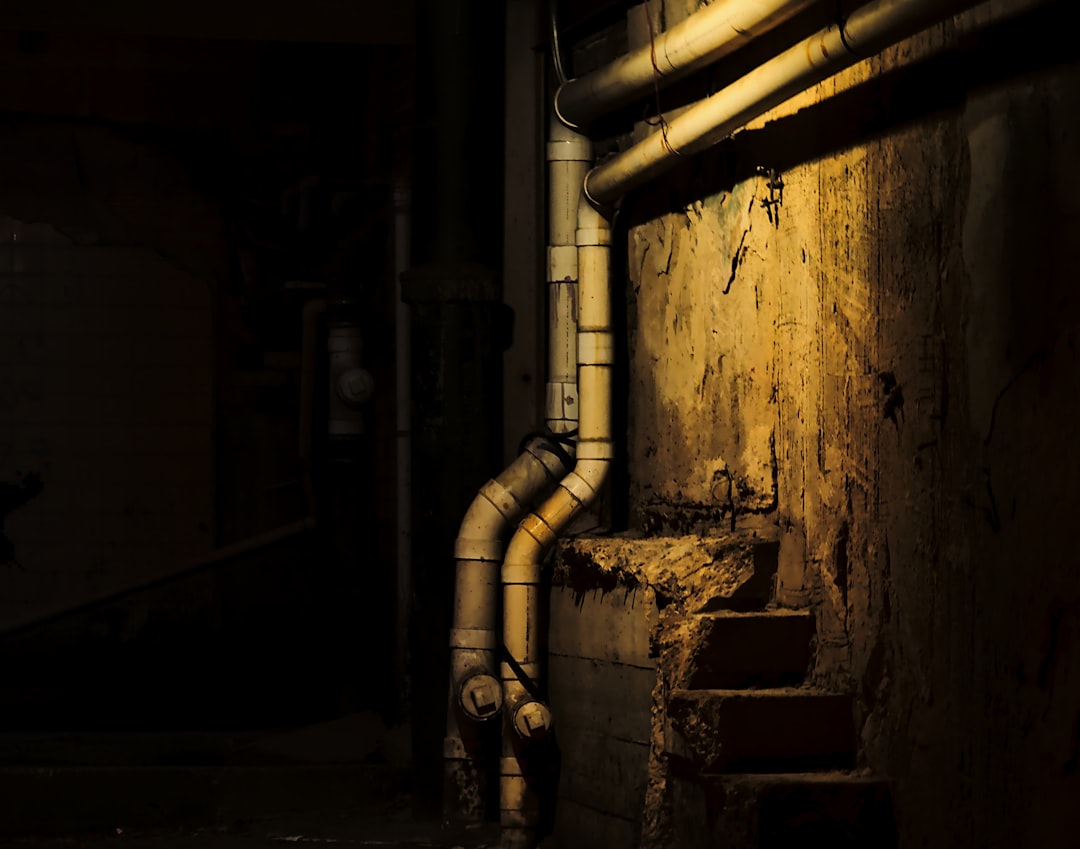
Why Basement Flooding Is a Bigger Risk Than Most Homeowners Realize
How a sump pump protects against basement flooding comes down to one simple idea: it collects groundwater before it can reach your living space and pumps it safely away from your home's foundation.
Here's a quick summary of how it works:
1. Groundwater builds up around your foundation as rain falls or snow melts
2. Water flows into the sump pit, a small basin dug into the lowest point of your basement
3. The float switch rises with the water level and triggers the pump to turn on
4. The pump moves water out through a discharge pipe, directing it away from your home
5. A check valve stops pumped water from flowing back into the pit
It sounds simple — and it is. But that simple process can mean the difference between a dry basement and thousands of dollars in water damage, mold remediation, and structural repairs.
More than 60% of American homes deal with below-ground moisture, and in Canada, water damage has overtaken fire as the leading cause of property loss. In the Bridgeville area, heavy spring rains, snowmelt, and shifting soil conditions make basements especially vulnerable. Homes without proper drainage protection are one bad storm away from a serious problem — and many homeowners don't realize it until the water is already there.
A sump pump is not a luxury. For most homes with a basement, it is one of the most practical and cost-effective layers of protection you can have.

To truly appreciate this mechanical marvel, we have to look at what's happening beneath your floorboards. Most of the time, we don't think about the soil surrounding our homes, but it acts like a giant sponge. When we experience the heavy downpours common in Western Pennsylvania, that sponge gets saturated.
The "sump" is essentially a pit carved into the lowest part of your basement floor. As groundwater levels rise, the water naturally follows the path of least resistance into this pit rather than seeping through your walls or floor. Inside the pit sits the pump. Most modern units use centrifugal force. When the water reaches a certain height, a float switch (think of the ball inside your toilet tank) moves upward, completing an electrical circuit that kicks the motor into gear.
The motor spins an impeller, which uses centrifugal force to fling water toward the sides of the pump housing, creating a low-pressure area that sucks more water in and pushes it out through the discharge pipe. If you’ve ever noticed your pump making a humming sound followed by the "whoosh" of water moving through pipes, you’re hearing this system in action.
However, even the best pump needs a little help. If you're hearing strange noises or your pump isn't kicking on when the pit is full, you might need Sump Pump Repair Bethel Park PA or Sump Pump Repair Scott Township PA to ensure the system is ready for the next storm.
Understanding Hydrostatic Pressure and Soil Saturation
You might wonder, "Why does the water come into my basement in the first place? Isn't concrete waterproof?" Unfortunately, no. Concrete is porous, and under enough pressure, water will find its way through.
This is known as hydrostatic pressure. When the water table (the level at which the soil is completely saturated) rises, the weight of that water pushes against your foundation. This pressure can be immense. It forces water through tiny foundation cracks, expansion joints, and even through the floor itself. In areas with clay-heavy soil, the earth expands as it gets wet, putting even more physical stress on your basement walls. A sump pump acts as a pressure-relief valve, giving that water somewhere to go so it doesn't have to force its way through your masonry.
How a Sump Pump Protects Against Basement Flooding and Structural Damage
The damage from a flood isn't just about ruined carpets and soggy drywall. The real danger is to your home's foundation integrity. Continuous water exposure can lead to soil erosion under your footings, which causes the house to settle unevenly.
Over time, the constant cycle of soil wetting and drying can lead to:
• Wall bowing: Saturated soil pushing against the exterior.
• Wood rot: Moisture rising into the floor joists.
• Foundation shifts: Cracks that grow wider every season.
By managing the water level around your foundation, a sump pump prevents these "silent killers" of home value from taking hold.
Comparing Submersible and Pedestal Sump Pump Systems
When it comes to choosing a system, there are two main contenders. Think of it like choosing between an inboard or outboard boat motor—both get the job done, but they live in different environments.
• Motor Placement — Submersible Pump: Inside the pit, underwater — Pedestal Pump: Above the pit, stays dry
• Noise Levels — Submersible Pump: Very quiet (water muffles sound) — Pedestal Pump: Louder (motor is exposed)
• Lifespan — Submersible Pump: 5–15 years — Pedestal Pump: 25–30 years
• Pit Size — Submersible Pump: Requires a larger basin — Pedestal Pump: Can fit in narrow pits
• Clog Risk — Submersible Pump: Lower (usually has a screen) — Pedestal Pump: Higher (intake is at the bottom)
Submersible pumps are the most popular choice for finished basements because they are tucked away and quiet. However, because the motor is submerged, they may have a shorter lifespan than pedestal pumps, whose motors stay high and dry. If you're looking to upgrade your current setup, we often recommend Sump Pump Replacement South Fayette PA or Sump Pump Replacement Carnegie PA to ensure you have the right horsepower for your home's specific needs.
Primary vs. Backup Systems for Maximum Security
If you have a single sump pump, you have a single point of failure. If that pump clogs, the switch sticks, or the motor burns out during a massive storm, your basement is unprotected. This is why we advocate for dual pump systems.
Research shows that homes with dual pump systems experience 85% fewer basement flooding incidents during severe weather. A secondary pump sits slightly higher in the pit; if the primary pump can't keep up or fails entirely, the backup takes over. For homeowners in flood-prone zones, Sump Pump Installation Canonsburg PA involving a dual-pump setup is the gold standard for peace of mind.
How a Sump Pump Protects Against Basement Flooding During Power Outages
There is a cruel irony in the fact that the heaviest rains often come with the strongest winds—which knock out the power right when you need your pump the most. A standard sump pump runs on your home’s electrical grid. No power means no pumping.
To combat this, we recommend:
1. Battery Backups: These use 12-volt deep-cycle marine batteries that stay charged while the power is on. When the lights go out, the battery kicks in to run a secondary DC-powered pump.
2. Water-Powered Pumps: These are ingenious devices that use the pressure of your municipal water supply to create suction and pull water out of the pit. They require no electricity and no batteries, though they do use a significant amount of city water to operate.
Essential Components of a Reliable Flood Protection System
A sump pump isn't just the machine in the hole; it’s an entire system of components working in harmony.
• The Pit Liner: A plastic or concrete basin that keeps the hole from collapsing and prevents debris from the soil from entering the pump.
• The Check Valve: This is a one-way valve installed in the discharge pipe. It prevents water that has already been pumped out from falling back into the pit when the motor stops. Without it, your pump would have to work twice as hard.
• GFCI Outlet: Because water and electricity are a dangerous mix, your pump must be plugged into a Ground Fault Circuit Interrupter to prevent shocks.
If you notice water splashing back into the pit or your pump running constantly, you might have a check valve or line issue. We provide expert Sump Pump Repair Green Tree PA and Sump Pump Repair McDonald PA to get these critical components back in order.
The Importance of Proper Discharge Routing
Where does the water go? This is just as important as getting it out of the basement. If your discharge pipe ends right next to your foundation, the water will simply soak back into the ground and end up right back in your sump pit. It’s a literal "cycle of futility."
Ideally, the discharge pipe should extend at least twenty feet away from the house, or at the very least, to a spot where the foundation slope naturally carries water away. You must also be mindful of municipal codes—in many parts of Pennsylvania, it is illegal to drain your sump pump into the sanitary sewer system. During winter, we also have to watch for frozen lines, which can block the exit and cause the pump to burn out.
Preventing Mold and Improving Indoor Air Quality
Beyond the obvious threat of a flood, a sump pump is a key player in moisture control. A damp basement is a breeding ground for mold and organic growth. These spores can travel through your HVAC system and affect the air quality of your entire home, triggering allergies and respiratory issues.
By keeping the area under your floor dry, the sump pump reduces the overall humidity of the basement. When paired with a high-quality dehumidifier, it creates an environment where mold simply cannot survive.
Maintenance Strategies for Bridgeville Homeowners in 2026
It is April 2026, and the spring thaw is in full swing. Is your pump ready? We’ve seen too many homeowners wait until a storm is raging to check their equipment.
We recommend a few simple "tricks and tips" for DIY maintenance:
• The Bucket Test: Pour a five-gallon bucket of water into the pit. The pump should activate quickly, drain the water, and shut off.
• Debris Removal: Check the pit for small stones, mud, or trash that could clog the inlet cleaning screen.
• Listen to the Motor: If it sounds like it’s grinding gravel, the impeller might be damaged.
For a more thorough check, especially before the rainy season, professional Sump Pump Repair Upper St. Clair PA or Sump Pump Repair Collier PA can identify issues like failing capacitors or worn seals before they cause a flood.
Troubleshooting Common Pump Failures
If you notice your pump acting up, check these common culprits:
1. Stuck Switch: The pump vibrates as it runs, which can cause it to "walk" across the pit until the float switch gets pinned against the wall.
2. Clogged Intake: If the pit doesn't have a proper liner or gravel base, mud can get sucked into the pump.
3. Motor Humming: This usually means the pump is receiving power, but the impeller is jammed or the motor is seized.
4. Continuous Running: This could be a stuck switch, or it could mean the pump is simply too small for the amount of water coming in.
When to Choose Professional Installation Over DIY
While we love a good weekend project, sump pump installation is one area where professional help pays off. Getting the pit depth exactly right and ensuring the pipe welding (PVC solvent welding) is leak-proof is critical. Furthermore, working with electricity in a wet hole is a significant safety risk.
When we handle a Sump Pump Installation South Fayette PA, we ensure the electrical load is balanced and the discharge routing meets all local Bridgeville area codes.
Frequently Asked Questions About Basement Flood Protection
How long do modern sump pumps typically last?
On average, you can expect a high-quality sump pump to last about ten years. This can vary based on how often it runs. If you live in an area with a very high water table where the pump runs every few minutes, it may need replacement sooner. Regular maintenance can extend this life, but if your pump is approaching the decade mark, consider Sump Pump Replacement Brookline PA to avoid an emergency failure.
Can a sump pump help lower my home insurance premiums?
Yes! Many insurance providers offer discounts or "flood endorsements" for homes that have proactive drainage systems. Some municipalities even offer subsidies for installing backwater valves or sump systems because it reduces the strain on the city's infrastructure. Having a battery backup system is often a requirement for these discounts. If you’ve recently upgraded, check with your agent in Oakdale or nearby—you might find that Sump Pump Replacement Oakdale PA pays for itself in insurance savings over time.
What should I do if my basement floods despite having a pump?
First, safety first: do not walk into a flooded basement if the water has reached the electrical outlets. If it's safe, check to see if the pump is plugged in and if the circuit breaker has tripped. If the pump is running but the water isn't moving, you likely have a clog or a broken impeller. This is the time to call for emergency Sump Pump Repair Canonsburg PA.
Conclusion
Your home is likely your biggest investment, and the basement is its literal foundation. Don't let a preventable issue like groundwater seepage or a sudden storm ruin your peace of mind. How a sump pump protects against basement flooding is through consistent, automated vigilance—working 24/7 so you don't have to.
At Sureway Comfort, we are your Bridgeville experts in all things plumbing and HVAC. We understand the local geography, from the hills of Scott Township to the valleys of Carnegie, and we know exactly what it takes to keep a Pennsylvania basement dry. Whether you need a routine inspection, a high-tech battery backup installation, or an emergency repair, our experienced technicians are ready to help with honest diagnostics and responsive scheduling.
Don't wait for the clouds to turn gray. Schedule your professional plumbing inspection today and keep your home high and dry all year long.





.svg)
.avif)


