


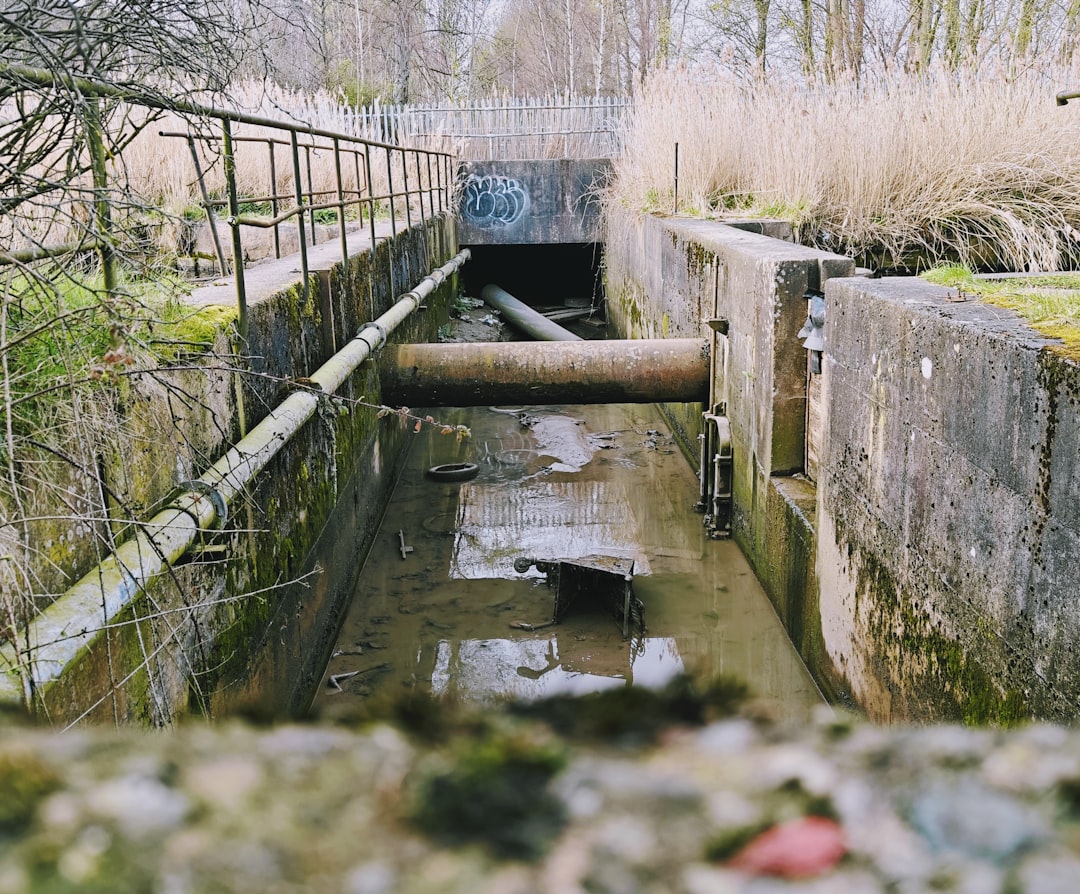
Pro Tips: When Tree Roots Strike Your Sewer Line, Here's What Actually Works
How hydro jetting removes tree roots from pipes is simple: a high-pressure stream of water — up to 4,000 PSI — is blasted through a specialized nozzle inside your sewer line. That force cuts through root masses, pulverizes them into small fragments, and flushes everything downstream. Unlike a drain snake that only pokes a hole through the blockage, hydro jetting scours the full pipe wall clean.
Here's a quick summary of the process:
1. A camera inspection confirms root intrusion and checks pipe condition
2. A flexible hose with a multi-directional nozzle is inserted through a cleanout
3. High-pressure water cuts and breaks apart root masses
4. Debris is flushed downstream to the municipal sewer system
5. A second camera pass verifies the pipe is fully clear
Those beautiful, mature trees lining your yard are doing something you can't see: their roots are slowly finding their way into your sewer line. They're drawn to the warmth, moisture, and nutrients that leak from even the tiniest crack or loose joint in a buried pipe. Once inside, they grow fast — catching toilet paper, grease, and debris until your drains slow to a crawl, your toilets gurgle, and eventually your basement backs up.
It's one of the most common plumbing problems in older neighborhoods, and it's exactly the kind of issue that a basic drain snake can't fully solve. The good news is that professional hydro jetting can clear your line thoroughly and buy you years of trouble-free drainage — when done right.
Understanding the Underground Invasion: Pro Tips on Why Roots Love Your Pipes
To solve the problem, we first have to understand the "enemy." Tree roots are biologically programmed to seek out moisture and nutrients. In our local Pennsylvania soil, especially during the dry summer months of 2026 or the active growth periods of spring, trees can detect moisture from as far as 50 to 100 feet away.
Your sewer line is essentially a "buffet" for a tree. It carries warm water, organic waste, and oxygen. Even the smallest vapor leak from a microscopic crack or a slightly loose joint acts as a homing beacon. Roots don't need a massive hole to get started; they can enter through openings as small as 1/16 of an inch.
Once a tiny hair-like root finds its way inside, it begins to feast on the nutrients. It expands, and as it grows, it puts pressure on the pipe, turning that microscopic crack into a structural fracture. This is How Tree Roots Can Damage Drains over time—what starts as a small intrusion eventually becomes a massive, tangled "root ball" that acts like a net, catching everything you flush down the drain.
Pro Tip: If you have large willow or silver maple trees near your sewer line, schedule a camera inspection every two years as a preventative measure.
When we talk about how hydro jetting removes tree roots from pipes, we are talking about the sheer physics of water under extreme pressure. While a garden hose might have about 40 to 60 PSI, our professional hydro jetting equipment generates between 3,000 and 4,000 PSI.
At this pressure level, water stops acting like a liquid and starts acting like a laser. We use specialized, multi-directional nozzles that feature both forward-facing jets to clear the path and rear-facing jets that propel the hose forward while scouring the pipe walls.
The benefits of this method are extensive. You can learn more about Hydro Jetting And Its Benefits to see why it’s become the industry gold standard. Unlike mechanical tools that might just "trim" the roots, hydro jetting pulverizes the organic matter into tiny particles. It also removes the biofilm—the sticky layer of bacteria and sludge—that roots use as a food source. For a deeper dive into the technology, check out our guide on What Is Hydro Jetting For Drain Cleaning.
Pro Tip: Always ensure your technician uses a "scouring" nozzle for the best results against grease and fine root hairs.
Expert Tips: The Step-by-Step Process of Professional Root Removal
We don't just show up and start blasting water. A professional approach requires a careful, systematic process to ensure your pipes are cleaned safely and effectively.
Why a camera inspection is the first step in how hydro jetting removes tree roots from pipes
Before we ever turn on the jetter, we perform a high-definition sewer camera inspection. This is non-negotiable for several reasons:
• Assessing Pipe Integrity: We need to know if your pipe is made of clay, cast iron, or PVC. Older clay pipes in areas like Upper St. Clair or Carnegie can become fragile over time. If a pipe is already collapsed or severely fractured, high-pressure water could make the situation worse.
• Locating the Intrusion: The camera tells us exactly where the roots are entering. This helps us determine if you need a simple cleaning or if a structural repair is necessary.
• Identifying the Type of Blockage: Sometimes it’s not just roots; it could be a "belly" in the pipe or a foreign object that requires a different approach.
For residents in our service area, this Hydro Jetting Canonsburg Complete Guide explains how we use these diagnostics to save you time and stress.
The mechanics of how hydro jetting removes tree roots from pipes and debris
Once the inspection is complete and we’ve confirmed the pipe is a good candidate for jetting, we locate the "cleanout"—an access point to your sewer system. We then feed the flexible jetting hose into the line.
As the water pressure kicks in, the nozzle does three things simultaneously:
1. Cutting: The front-facing jet slices through the fibrous root masses.
2. Pulverizing: The kinetic energy of the water breaks the roots into small fragments.
3. Flushing: The high volume of water washes the debris downstream, leaving the pipe walls completely bare.
This process is incredibly thorough, often removing 95-100% of the root intrusion. To see how this applies specifically to local homes, read more about Hydro Jetting Canonsburg. Our goal is to provide Effective Hydro Jetting Solutions that restore your plumbing to near-original flow capacity.
Comparison Tips: Hydro Jetting vs. Traditional Snaking
Many homeowners are tempted to just "snake" the drain. While snaking (also called cabling) has its place for simple clogs like a hair-filled shower drain, it often fails when it comes to tree roots.
• Root Removal Rate — Traditional Snaking (Cabling): 60-70% (Leaves many roots behind) — Professional Hydro Jetting: 95-100% (Clears the full diameter)
• Pipe Wall Cleaning — Traditional Snaking (Cabling): None (Only pokes a hole) — Professional Hydro Jetting: Scours walls clean of grease and scale
• Effectiveness Duration — Traditional Snaking (Cabling): 6-12 months — Professional Hydro Jetting: 1-3 years (or longer with maintenance)
• Safety — Traditional Snaking (Cabling): Mechanical blades can catch and crack old pipes — Professional Hydro Jetting: High-pressure water is gentle on sound pipes
• Environmental Impact — Traditional Snaking (Cabling): Often requires follow-up chemicals — Professional Hydro Jetting: Uses only clean water
The primary difference is that a snake only clears a path as wide as its cutting head. Because the snake is smaller than the pipe, it leaves the roots around the edges intact. This allows the roots to grow back almost immediately. Hydro jetting, however, cleans the entire circumference. This is one of the major Hydro Jetting Advantages Over Traditional Snaking. For a more detailed breakdown, see our Hydro Jetting Vs Drain Snaking Comparison.
Pro Tips for Protecting Your Home: Long-Term Prevention After Jetting
Hydro jetting is the best way to clear an existing problem, but it’s important to remember that it doesn't "fix" the hole where the roots got in. Since roots can regrow in sewer lines within 1-3 years after jetting, we recommend a multi-layered approach to prevention:
• Chemical Treatments: After jetting, we can apply a foaming root inhibitor. This foam coats the entire inside of the pipe and prevents new root tips from growing back through the cracks.
• Pipe Lining (CIPP): If the roots keep returning, we can install a "sleeve" inside your pipe. This creates a seamless, joint-free barrier that roots simply cannot penetrate.
• Annual Maintenance: Just like your HVAC system, your sewer line benefits from a check-up. We provide specialized services for Hydro Jetting Upper St Clair Pa and Hydro Jetting Mt Lebanon Pa to keep local systems running smoothly year-round.
• Root Barriers: In some cases, installing a physical barrier in the soil between the tree and the sewer line can redirect root growth away from your pipes.
Pro Tip: Avoid planting "water-seeking" trees like Willows or Birches within 20 feet of your sewer line.
Frequently Asked Questions & Pro Tips about Sewer Root Removal
Is hydro jetting safe for older clay or cast iron pipes?
Yes, but only if the pipes are structurally sound. This is why we emphasize the camera inspection. If the pipe has already collapsed or is extremely brittle, we may recommend a gentler approach or a partial replacement. However, for most homes in neighborhoods like Hydro Jetting Scott Township Pa, hydro jetting is perfectly safe when performed by an experienced technician who knows how to adjust the PSI settings appropriately.
How long will my sewer line stay clear after treatment?
Without any preventative measures, roots typically begin re-entering the pipe within 6 to 12 months, and a full blockage can reform within 1 to 3 years. However, if you combine hydro jetting with root-killing foam and regular inspections, you can keep your lines clear for much longer. We often see homeowners in Hydro Jetting Collier Pa go several years between cleanings by following a simple maintenance plan.
What are the warning signs that I have a root problem?
Nature usually gives you a few hints before a total backup occurs:
• Gurgling Toilets: If your toilet makes a "glug-glug" sound when you run the sink or shower, air is being trapped by a partial blockage.
• Slow Drains: If all the drains in your house seem sluggish, the problem is likely in the main sewer line rather than a single pipe.
• Sewage Odors: Roots trap organic waste, which begins to smell as it decomposes.
• Lush Grass Patches: If one area of your lawn is significantly greener or faster-growing than the rest, it might be getting "extra fertilizer" from a leaking sewer pipe.
If you notice these signs in Hydro Jetting Mcdonald Pa, it’s time to call in the pros before a messy backup happens.
Conclusion: Final Tips for a Root-Free Home
Dealing with tree roots doesn't have to be a recurring nightmare. By understanding how hydro jetting removes tree roots from pipes, you can make an informed decision to protect your home’s infrastructure. At Sureway Comfort, we’re your neighbors in Bridgeville, and we’re dedicated to keeping your home comfortable and your pipes flowing freely.
Whether you need a routine inspection or an emergency cleaning, our team is ready to help throughout our service area, including Hydro Jetting Brookline Pa, Hydro Jetting Carnegie Pa, and Hydro Jetting Canonsburg Pa. For residents in the Hydro Jetting Upper St Clair Pa 94A26 area, we offer the specialized care your older sewer lines require.
Don't wait for a backup to ruin your day. Contact our professional plumbing team for reliable sewer solutions and get those tree roots evicted for good!




.svg)
.avif)


