


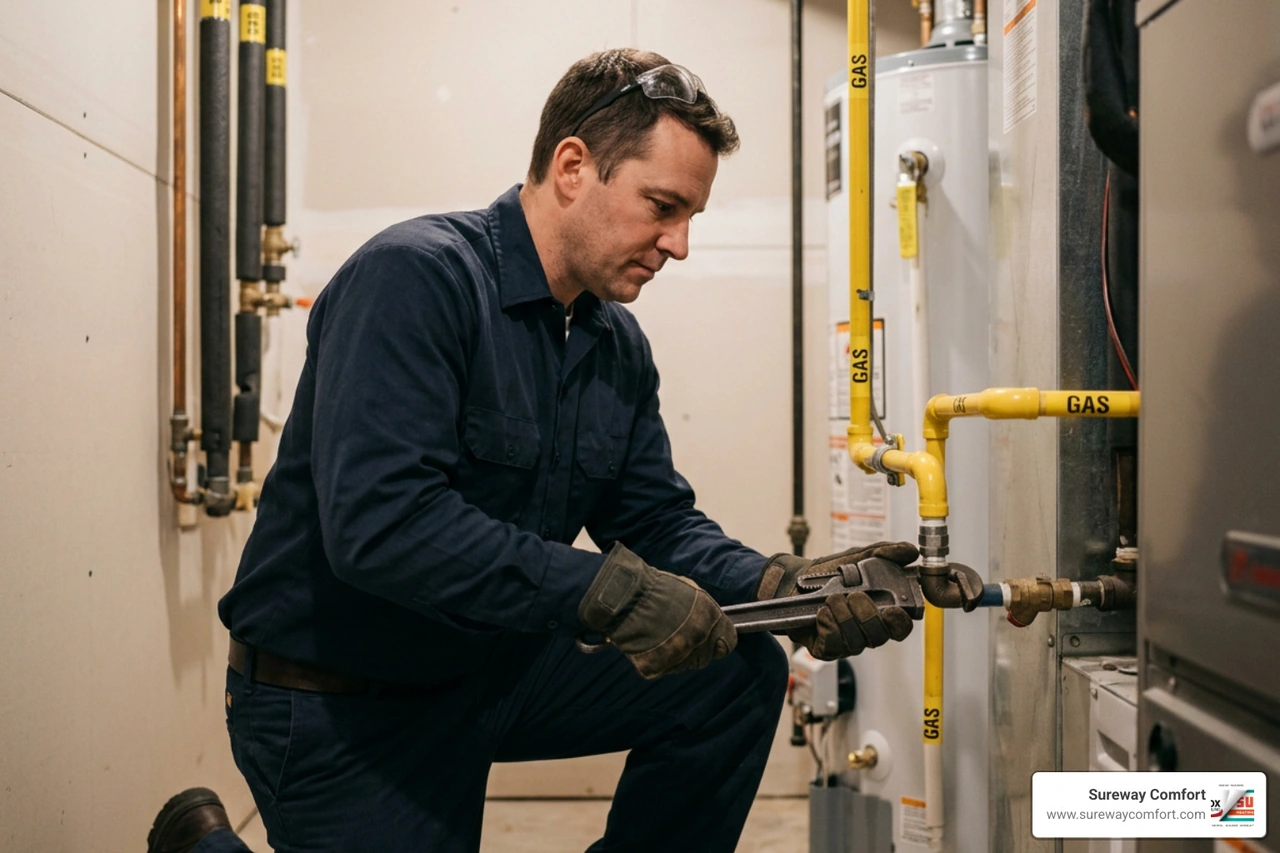
Gas Piping Is Not a DIY Job — Here's When You Need a Pro
Knowing when you need a professional for gas piping could save your home — and your life. Natural gas powers some of the most important appliances in your house, from your furnace to your stove. But when something goes wrong with the lines that carry it, the stakes are extremely high. Gas leaks can cause fires, explosions, and silent carbon monoxide poisoning. According to the U.S. Consumer Product Safety Commission, about 50% of residential gas-related incidents involve improper installation or DIY repairs by unlicensed individuals.
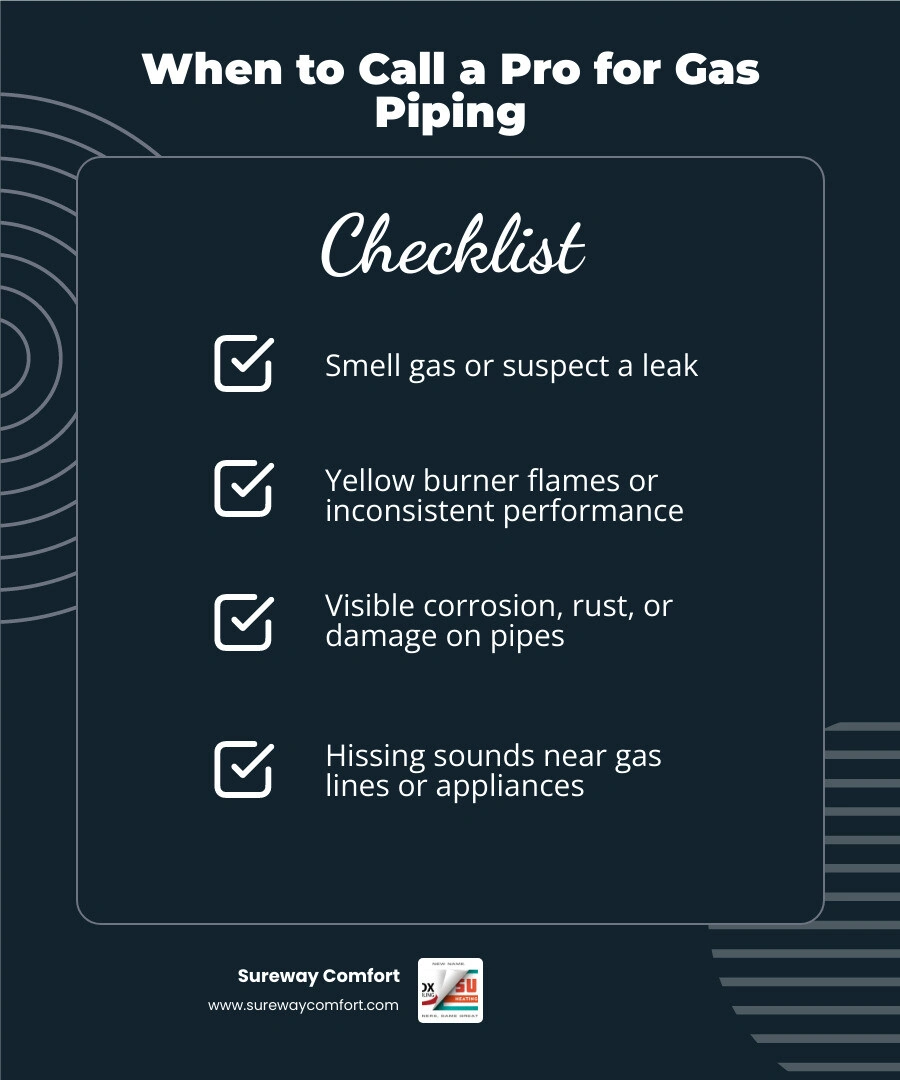
You need a licensed professional for gas piping any time you:
1. Smell gas or suspect a leak
2. Want to add or move a gas appliance
3. Notice yellow burner flames or inconsistent appliance performance
4. See visible corrosion, rust, or damage on gas pipes
5. Are renovating or adding onto your home
6. Have an older home with aging gas lines
7. Hear a hissing sound near a gas line or appliance
8. Experience unexplained increases in your gas bill
This is not like fixing a dripping faucet. Gas piping is tightly regulated, requires permits in most jurisdictions, and must be handled by a licensed plumber or qualified gas piping specialist. Getting it wrong is not just costly — it can be catastrophic.
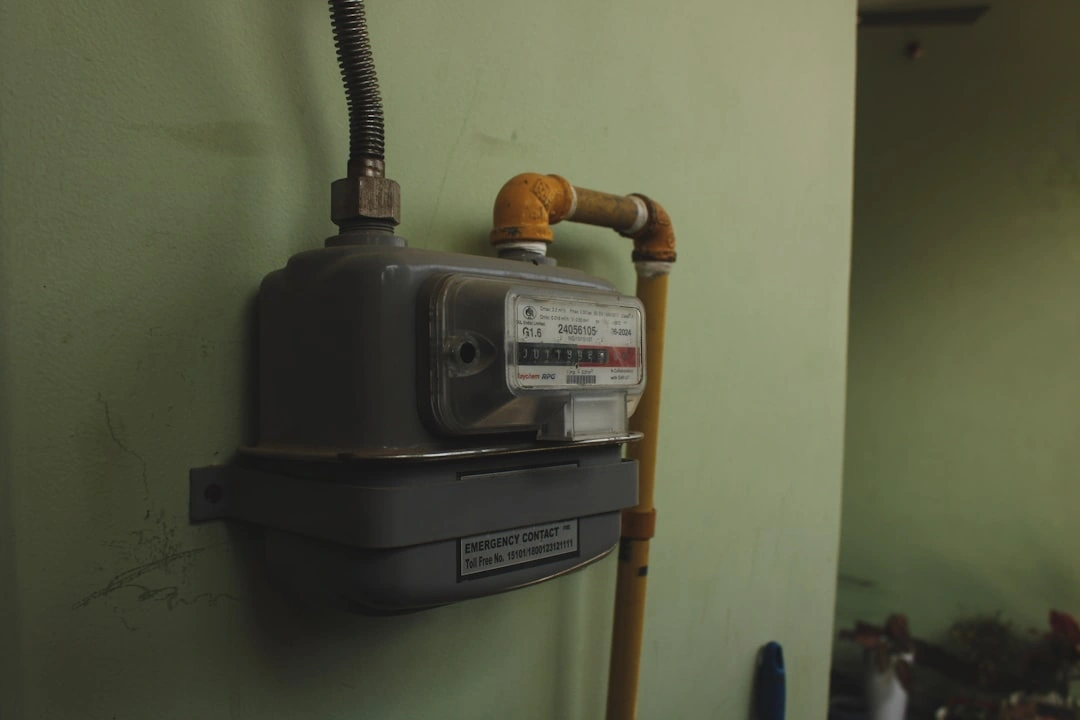
Our homes are our sanctuaries, but they are also complex webs of utility lines. While we easily notice a dripping faucet or a flickering light, gas line issues can be much more subtle—and far more dangerous. Because natural gas is highly volatile, recognizing the early warning signs of a compromised system is vital.
If you live in Western Pennsylvania, environmental factors can actively stress your lines. For example, our clay-heavy soil and seasonal temperature swings can put physical strain on buried gas pipes. Additionally, older homes in our neighborhoods often feature outdated piping materials that degrade over time.
Here are the most common warning signs that you need to call for Gas Line Repair Bridgeville immediately:
• The Rotten Egg Odor: Natural gas is naturally colorless and odorless. To ensure leaks can be detected, utility companies add a harmless chemical called mercaptan. This chemical gives gas a distinctive, sulfurous, "rotten egg" smell. If you smell this inside or outside your home, it is a clear sign of trouble.
• Hissing or Whistling Sounds: A physical split or loose fitting in a gas pipe allows pressurized gas to escape. This often creates a distinct hissing or whistling sound near your appliances, walls, or gas meter.
• Dead Vegetation: Have you noticed a patch of brown, dying grass or dead plants in your yard that doesn't match the rest of your lawn? If an underground gas line is leaking, the escaping gas blocks the roots from absorbing oxygen, killing the vegetation directly above it.
• Unexplained Spikes in Gas Bills: If your gas usage habits haven't changed, but your monthly utility bill is suddenly soaring, gas is likely escaping somewhere in your system before it even reaches your appliances.
• Yellow or Flickering Burner Flames: Healthy gas burners on stoves, fireplaces, or water heaters should burn a steady, crisp blue. A yellow, orange, or flickering flame indicates incomplete combustion, which often points to improper line pressure or a dangerous buildup of carbon monoxide.
Recognizing a Gas Leak and Emergency Protocols
A gas leak is a true emergency. If you detect a strong sulfur smell, hear loud hissing, or suspect a leak for any other reason, safety must be your absolute first priority. Do not attempt to locate the leak yourself, and do not try to patch it.
Follow these critical emergency protocols immediately:
1. Evacuate the Premises: Get all family members and pets out of the house immediately.
2. Avoid Electrical Switches and Devices: Do not turn lights on or off, do not unplug anything, and do not use your home phone or cell phone inside the house. A tiny spark from an electrical switch can ignite the concentrated gas in the air.
3. Do Not Start Vehicles: Do not start your car if it is parked near the house or in an attached garage.
4. Leave the Door Open: As you exit, leave the entry door open to help vent some of the gas.
5. Call for Help from a Safe Distance: Once you are safely away from the property, call your local gas utility provider or 911.
6. Do Not Re-enter: Stay away from the home until emergency responders or utility technicians explicitly declare it safe to return. Once the immediate danger is cleared, contact a licensed professional to locate and repair the damage.
Why You Must Hire a Licensed Plumber for Gas Line Services
When it comes to home maintenance, we all love a good DIY project. Painting a room, building a deck, or even swapping out a light fixture can be satisfying. But gas piping is a completely different ballgame. Working with gas lines requires specialized tools, precise mathematical load calculations, and a deep understanding of local safety regulations.
• Code Compliance — Professional Gas Line Installation: Guaranteed to meet all local and national safety codes — DIY Gas Line Work: High risk of code violations, leading to fines
• Leak Detection — Professional Gas Line Installation: Handled with professional pressure testing and electronic detectors — DIY Gas Line Work: Often relies on unreliable or unsafe home testing methods
• Permits & Inspections — Professional Gas Line Installation: Handled entirely by the contractor to protect property records — DIY Gas Line Work: Unpermitted work can complicate future home sales
• Safety Risks — Professional Gas Line Installation: Minimized through training, proper materials, and safety protocols — DIY Gas Line Work: High risk of gas leaks, explosions, and carbon monoxide poisoning
• Homeowners Insurance — Professional Gas Line Installation: Fully covered; professional documentation protects your policy — DIY Gas Line Work: DIY gas work can void your coverage in the event of an accident
If you are trying to decide whether your current system needs a simple fix or a complete overhaul, reading our guide on Gas Line Repair vs Replacement can help you understand your options before you call in the professionals.
Can a Plumber Install or Repair Gas Lines in a Home?
Yes! It often surprises homeowners to learn that licensed plumbers are the primary professionals responsible for residential gas lines. While we tend to associate plumbers exclusively with water pipes and drains, gas piping is actually a core component of a home's overall plumbing infrastructure.
The physical principles of fluid dynamics, pressure containment, and pipe joining apply to both water and gas systems. However, not every local plumber is qualified to work on gas lines. Gas piping requires specialized certifications, specific training in fuel gas codes, and licensing that permits them to work on volatile fuel systems. When you hire a professional for your gas lines, you are hiring a plumber who has gone through rigorous training to handle gas safely and legally.
The Dangers of DIY: Why You Need a Professional for Gas Piping
It is illegal in most municipalities for an unlicensed individual to modify or install gas piping connected to a public utility main. The reasons for these strict laws are simple: the consequences of a mistake are devastating.
• Residential Explosions: According to the National Fire Protection Association (NFPA), more than 4,200 home structure fires involving natural gas or LP-gas occur annually in the United States. Improperly installed fittings, incorrect pipe materials, and poorly calculated line pressure are leading causes of these tragic incidents.
• Carbon Monoxide Poisoning: Gas leaks cause an average of 17 deaths and 68 injuries per year in the U.S. from unintentional, non-fire-related carbon monoxide poisoning. Carbon monoxide is a colorless, odorless byproduct of incomplete combustion. If a gas line is improperly connected to an appliance, or if the ventilation flue is set up incorrectly, this silent killer can accumulate in your living spaces.
• Voided Homeowners Insurance: If a fire or explosion occurs in your home and the investigation reveals the cause was unpermitted, DIY gas work, your insurance provider will likely deny your claim entirely. You could be left financially responsible for the complete loss of your property.
What to Expect During Professional Gas Line Installation and Repair
When you hire a licensed plumbing team to handle your gas lines, the process is highly structured to prioritize your safety. A professional will not just show up and start cutting pipes.
First, we perform a thorough site evaluation and calculate the total BTU (British Thermal Unit) load of all your gas appliances. This step is critical; if a pipe is too small, your furnace, water heater, and stove won't get enough fuel to operate safely and efficiently.
Once the calculations are complete, the physical work begins. Technicians will carefully route the new lines, install dedicated shut-off valves for each appliance, and perform rigorous pressure testing to ensure there are absolutely zero microscopic leaks.
Whether you need a brand-new setup through Gas Line Installation Bridgeville or want to run a line to a new appliance via Gas Line Installation Canonsburg, you can rest assured that every connection will be verified with electronic leak detectors.
Common Materials Used for Gas Line Installations
Different homes and applications require different materials. A professional gas piping specialist knows exactly which material is safest and most effective for your specific project:
• Black Steel Pipe: This is the traditional, heavy-duty material used for gas lines. It is incredibly durable, highly resistant to physical damage, and is typically used for main distribution lines. However, because it is rigid, installing it requires precise cutting, threading, and fitting, which can be labor-intensive.
• Corrugated Stainless Steel Tubing (CSST): CSST is a flexible, modern alternative to black steel. Because it can bend around corners and through tight spaces, it requires far fewer joints and fittings, which naturally reduces the number of potential leak points.
• The Importance of CSST Bonding: While CSST is highly efficient, it must be properly electrical-bonded to your home's grounding system. If lightning strikes near your house, unbonded CSST can experience electrical arcing, which can puncture holes in the thin tubing and cause a serious gas leak. A licensed professional knows how to safely bond this material to prevent this hazard.
Permits and Regulations for Local Homeowners
Gas line work is strictly regulated by local building departments to protect you and your neighbors. In our local communities, any new gas line installation, extension, or major repair requires a formal plumbing or mechanical permit.
When you work with a licensed professional, they will handle the entire permitting process for you. This includes:
1. Filing the correct paperwork with your local municipality.
2. Submitting technical schematics of the pipe routing and load calculations.
3. Scheduling a formal inspection with a municipal inspector once the work is complete.
During the inspection, the inspector will verify that the pipes are sized correctly, the materials are code-compliant, and the system successfully holds pressure during a formal pressure test. Having this documented process on file protects your home's resale value and ensures your family's safety.
Frequently Asked Questions About Gas Piping
How long does gas piping last with proper care?
With routine inspections and proper care, high-quality residential gas piping can easily last over 30 years. However, its actual lifespan depends heavily on the materials used and environmental conditions. For example, older black iron pipes are prone to moisture-induced rust and corrosion over time, especially in damp basements or crawl spaces.
To keep your system safe, we recommend scheduling an annual plumbing inspection to catch corrosion early. If you suspect your older home's pipes are reaching the end of their lifespan, scheduling an assessment for Gas Line Installation Bethel Park can give you peace of mind.
What appliances require a professional gas line installation?
Any appliance that runs on natural gas or liquid propane requires professional line installation and hookup. This includes:
• Gas Furnaces and Boilers: These high-capacity heating systems require precise pressure regulation and proper venting to safely heat your home.
• Water Heaters: Both traditional tank and modern tankless water heaters require dedicated lines. Tankless units, in particular, have incredibly high BTU demands and often require upsizing your existing gas lines from 1/2-inch to 3/4-inch pipes.
• Clothes Dryers: Gas dryers offer excellent energy efficiency but require secure, leak-free connections.
• Outdoor Grills, Fire Pits, and Pool Heaters: Running lines outdoors requires specialized corrosion-resistant piping buried at specific, code-compliant depths.
If you are planning to upgrade your home's appliances, we can help design a safe layout with Gas Line Installation South Fayette.
When you need a professional for gas piping, can any plumber do the job?
No. While many plumbing tasks are universal, gas piping requires specific qualifications. You must ensure that the plumber you hire is licensed, insured, and certified as a qualified gas fitter in your local jurisdiction.
Working with gas lines involves strict safety codes, advanced pressure testing, and municipal permits that general handymen or uncertified plumbers simply cannot legally handle. For safe, code-compliant upgrades, you should always trust certified specialists, such as our team for Gas Line Installation Carnegie.
Conclusion
At the end of the day, your home should be a place of absolute comfort and safety. Natural gas is an incredibly efficient, reliable fuel source for keeping your family warm and your kitchen running—but it is not a utility to take lightly. Trying to cut corners with DIY gas line work or ignoring the warning signs of a leak simply isn't worth the risk to your property or your loved ones. Homes with professionally installed and inspected gas lines are 70% less likely to experience a gas leak compared to those with unpermitted or DIY work.
If you suspect a gas line issue, want to upgrade to energy-efficient gas appliances, or need an inspection on an older system, we are here to help. At Sureway Comfort, we are proud to be your trusted neighbors, serving families across Bridgeville, McDonald, Mt Lebanon, Bethel Park, Canonsburg, Collier, South Fayette, Upper St. Clair, Carnegie, Green Tree, Scott Township, Brookline, and Oakdale.
Our team of highly experienced, licensed technicians is dedicated to providing honest diagnostics, responsive scheduling, and safe, code-compliant workmanship that keeps your home cozy and secure in every season.
Don't leave your home's safety to chance. Contact us today to schedule an expert consultation with the Sureway Comfort Plumbing Services team, and let us get the job done right!




.svg)
.avif)


