


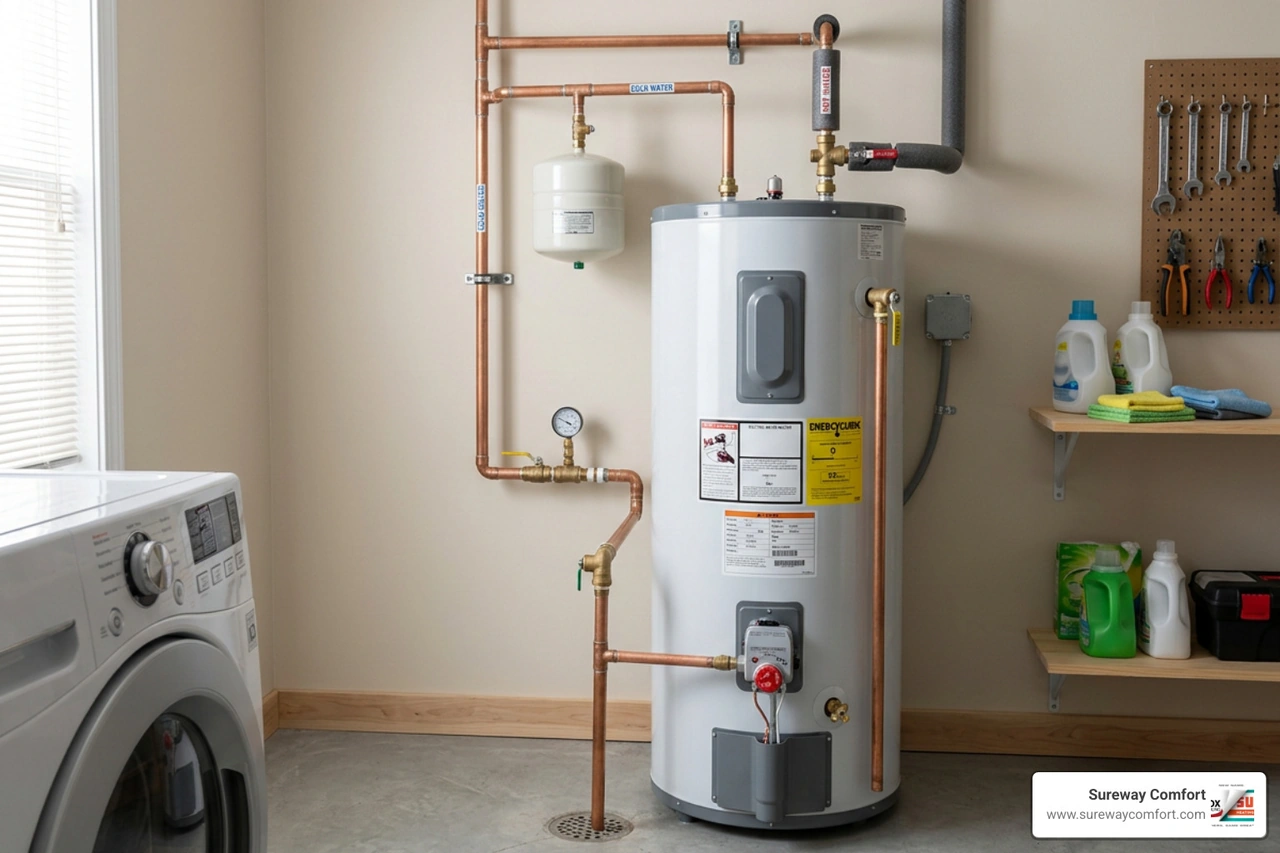
Pro Tips & Tricks: When Should You Replace Your Water Heater?
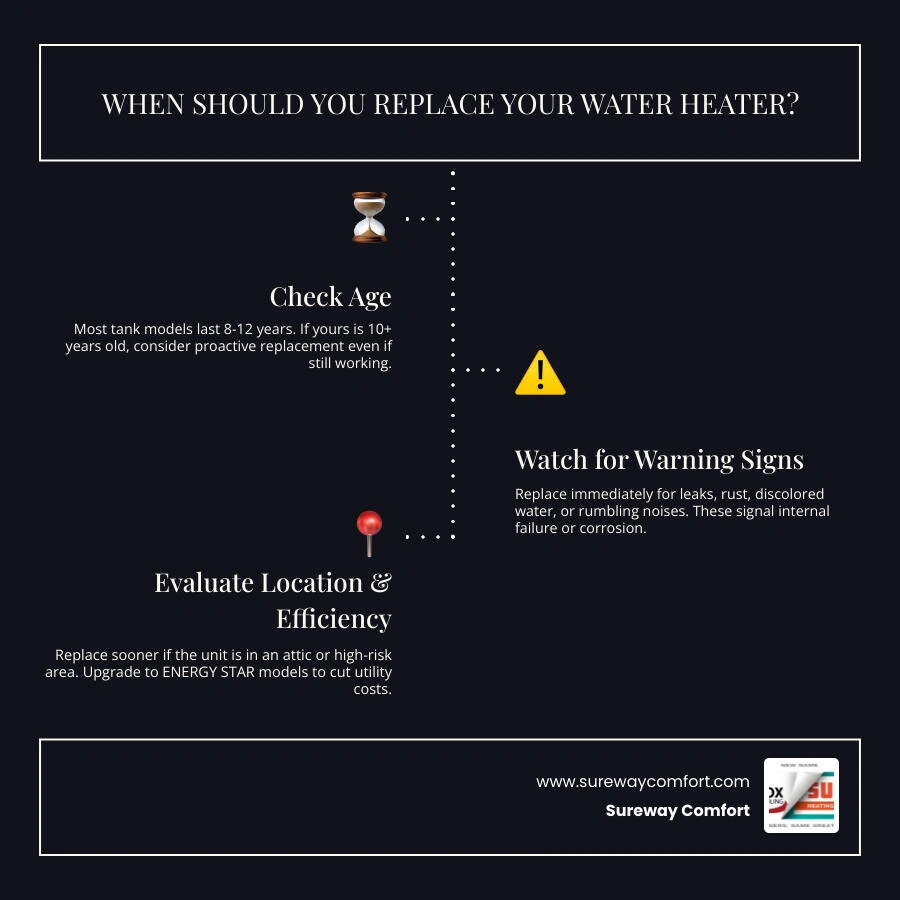
When should you replace your water heater? Knowing the right tricks and tips to spot a failing unit can save you from a costly home disaster. Here is a quick cheat sheet most homeowners need:
• Replace immediately if your tank is leaking, showing visible rust, or producing discolored water
• Replace now if your unit is 10 or more years old and showing any warning signs
• Strongly consider replacing if your unit is 13+ years old, even if it still seems to work
• Repair instead if the unit is under 8 years old and the issue is a minor component like a thermostat or heating element
• Replace proactively if your water heater is in a high-risk location like an attic, where a failure could cause serious structural water damage
Your water heater is one of those appliances that quietly does its job every single day — until it doesn't. Most homeowners only think about it when the hot water runs out mid-shower or they spot a puddle forming on the basement floor. By that point, the situation has already become urgent, and urgent repairs almost always cost more than planned ones.
Traditional tank water heaters typically last 8 to 12 years. Tankless models can stretch to 15 to 20 years or more with proper maintenance. But age is just one piece of the picture. Warning signs like rusty water, rumbling noises, and recurring repairs can signal trouble long before a full breakdown — and knowing how to read those signs can help you make a smart, calm decision instead of a rushed one.
This guide walks you through the best insider tricks and tips: how long different water heaters last, the warning signs that matter most, when to repair versus replace, and how regular maintenance can buy you extra years of reliable hot water.
When should you replace your water heater word roundup:
• how long does a water heater last
• how water quality affects water heater lifespan
How Long Do Water Heaters Typically Last?
Understanding the baseline life expectancy of your plumbing equipment is the first step in planning. If you do not know how old your current system is, you are essentially waiting for a surprise. While some incredibly lucky homeowners boast about systems lasting decades, these are rare exceptions rather than the rule.
When evaluating how long a unit will remain functional, the baseline is determined by the specific design of the system. To understand where your unit stands, it helps to read up on How Long Does a Water Heater Last and explore the Different Types of Water Heaters commonly installed in homes throughout Bridgeville, South Fayette, and Upper St. Clair.
Lifespan of Tank vs. Tankless Systems
The design differences between traditional storage tanks and modern tankless systems play a massive role in their overall longevity:
• Traditional Storage Tank Water Heaters: These units store a set amount of water (usually 40 to 50 gallons) and constantly heat it so it is ready when you turn on a tap. Because they are always holding water, they are subject to constant thermal stress and corrosion. On average, a standard tank water heater will last between 8 and 12 years. ENERGY STAR® recommends starting to look for a replacement once a storage heater hits the 10-year mark.
• Tankless Water Heaters: These systems operate on-demand, heating water only when a faucet or appliance calls for it. Because they do not store water and are not subjected to the constant corrosive environment of a full tank, they experience far less mechanical wear. A well-maintained tankless water heater can easily last 15 to 20+ years.
To see how these two styles stack up against each other in detail, check out our comprehensive Tankless vs Tank Water Heater Comparison.
Key Factors Affecting Longevity
No two homes are identical, and several localized factors can cause a system to fail early or last longer than average:
1. Water Quality (Hard Water vs. Soft Water): Here in Western Pennsylvania, hard water is a common issue. Hard water contains elevated levels of dissolved minerals like calcium and magnesium. When heated, these minerals crystallize and settle to the bottom of the tank, forming a thick layer of scale. This scale insulates the water from the heating element, causing the tank to overheat and wear out prematurely.
2. Usage Demand: A household of five running back-to-back showers, laundry, and the dishwasher will put significantly more strain on a water heater than a single occupant. High demand means the system must cycle on and off constantly, accelerating mechanical wear.
3. Installation Quality: Proper venting, correct pressure balance, and professional installation are vital. Poorly installed units often suffer from backdrafting, excessive pressure strain, or improper electrical wiring, all of which shorten operational life. For a deeper look at local considerations, read our Bethel Park Water Heater Guide 2025.
Key Signs That Tell You When Should You Replace Your Water Heater
Waiting for your water heater to completely burst is a risky strategy. Fortunately, your system will usually try to tell you when it is on its last legs. By keeping an eye out for key warning signs, you can avoid waking up to an icy shower or a flooded utility room.
For a complete checklist of what to look for, you can read our guide on Water Heater Check-Up Signs. Let's explore the three most critical indicators.
Visible Rust and Corrosion
Rust is the ultimate enemy of any metal tank. If you spot rust on the exterior of your tank, particularly around the seam welds, inlet and outlet valves, or the pressure relief valve, corrosion has taken hold.
If your hot water is coming out of the tap with a rusty, reddish-brown tint, it usually means the interior lining of your tank is actively deteriorating. Tip: To determine if the rust is coming from your water heater or your household pipes, run the cold water for a few minutes. If only the hot water runs rusty, the water heater tank is the culprit. Once a tank begins to corrode internally, there is no way to patch it; a replacement is required.
Strange Noises and Rumbling
As your water heater ages, sediment from hard water builds up at the bottom of the tank. Over time, this sediment hardens into a solid, crusty layer. When the burner or heating element cycles on, water trapped beneath this sediment layer boils, steam bubbles escape, and the hardened pieces rattle around.
This creates loud banging, popping, rumbling, or cracking noises. Not only does this sound alarming, but it also means your system is working twice as hard to heat the water through that thick barrier, leading to metal fatigue and eventual tank failure.
Water Leaks Around the Base
If you notice moisture, dampness, or actual pools of water forming around the base of your water heater, you must act quickly. While some leaks can be traced to a loose fitting or a faulty temperature and pressure (T&P) relief valve, a leak coming directly from the tank body is catastrophic.
As metal heats and cools, it expands and contracts. Over time, this constant physical movement causes tiny fractures in a corroded tank, leading to slow drips that will eventually turn into a major rupture.
Proactive Replacement vs. Waiting for Failure
Is it better to replace your water heater before it breaks, or should you squeeze every last drop of life out of it?
While waiting until the unit completely dies might feel like you are getting your money's worth, it is often a recipe for disaster. An emergency replacement means you have to make a rushed decision under pressure, often with limited equipment options and potential emergency plumbing fees.
Proactive replacement allows you to research models, schedule the installation at your convenience, and prevent water damage. To help you plan, consult our Bethel Park Water Heater Replacement Guide.
How Location Influences When Should You Replace Your Water Heater
Where your water heater is installed in your home should heavily weigh on your decision to replace it proactively:
• Attics and Upper Floors: If your water heater is located in an attic or a closet on an upper floor, a catastrophic leak can cause thousands of dollars in structural damage. Water will quickly seep through ceilings, ruin drywall, and destroy flooring below. If your unit is in an elevated location, we strongly recommend replacing it proactively once it reaches 10 years of age.
• Basements and Utility Rooms with Drains: If your unit is in an unfinished basement next to a reliable floor drain, the risk of property damage from a leak is much lower. In this scenario, you might feel comfortable waiting a bit longer, provided you monitor the unit regularly.
• Condos and Townhomes: Many multi-family housing associations have strict rules regarding water heaters. Some condo associations mandate replacement every 8 to 10 years because a leak in one unit can easily damage neighboring properties below.
Upgrading for Energy Efficiency
Replacing an old water heater isn't just about avoiding a leak — it is also an excellent opportunity to lower your monthly utility bills. Modern water heaters are vastly more efficient than those manufactured a decade ago.
Upgrading to an ENERGY STAR® certified model can reduce your water heating energy use significantly. For maximum savings, many homeowners are opting for hybrid heat pump water heaters, which pull heat from the surrounding air to warm the water, using a fraction of the electricity of a standard electric tank. If you are ready to explore your options, read our guide on Choosing the Right Water Heater.
Repair vs. Replacement: Making the Right Decision
When your water heater acts up, you are faced with a choice: do you fix the current unit or invest in a brand-new one? To make an informed decision, it helps to look at the overall condition of your system.
• Age of Unit — Consider Repair: Under 8 years old — Consider Replacement: 10+ years old (or 15+ for tankless)
• Type of Issue — Consider Repair: Faulty thermostat, broken element, bad valve — Consider Replacement: Leaking tank body, widespread corrosion
• Repair Cost — Consider Repair: Well under half the cost of a new unit — Consider Replacement: Exceeds 50% of replacement cost
• Performance — Consider Repair: Reliable hot water before this issue — Consider Replacement: Frequent breakdowns, rising energy bills
To help guide your choices locally, you can refer to our Water Heater Repair Bethel Park Guide.
When to Choose Repair
Repairing your water heater is usually the smartest path if the unit is relatively young and the problem is isolated to a replaceable component. For example:
• Broken Heating Element: If you have an electric water heater and the water is only lukewarm, a burnt-out heating element is an easy, straightforward fix.
• Faulty Thermostat: If the water is too hot or not hot enough, replacing a bad thermostat can restore proper operation quickly.
• T&P Valve Replacement: If the pressure relief valve is dripping, replacing the valve itself is a simple task that does not require replacing the entire tank.
When to Choose Replacement
Replacement is the only logical choice in several common scenarios:
• The Tank is Leaking: A leaking tank body cannot be welded or patched. Once the inner glass lining cracks and water reaches the outer steel shell, the tank is structurally compromised.
• Severe Internal Corrosion: If your hot water is consistently rusty or foul-smelling and flushing the tank does not resolve it, the internal tank walls are failing.
• The Unit is Over 10 Years Old with Major Issues: If your aging water heater needs a costly component replacement, applying the "8-year rule" or "50% rule" is wise. If the unit is over 8 years old and the repair costs more than half of what a new system would, put that money toward a replacement instead.
Pro Tricks and Tips to Extend Your Water Heater's Lifespan
You don't have to sit idly by and watch your water heater slowly deteriorate. Implementing a few simple maintenance tricks and tips can add years of reliable service to your system and keep it running at peak efficiency.
To get started, read our guides on How to Extend the Life of Your Water Heater and check out our comprehensive Water Heater Maintenance Checklist for Homeowners.
Annual Tank Flushing
Flushing your storage tank at least once a year is the single most effective way to combat sediment buildup. Over the course of twelve months, minerals settle to the bottom of the tank. By attaching a garden hose to the drain valve at the base of the unit, turning off the power/gas, and draining the tank completely, you wash away this loose sediment before it can bake into a solid, heat-blocking crust. This simple task keeps your system quiet and efficient.
Checking the Anode Rod
Inside every traditional tank water heater sits a quiet hero called the anode rod (often referred to as the "sacrificial rod"). This metal rod, usually made of magnesium or aluminum, is designed to corrode faster than the steel tank itself. Corrosive elements in the water attack the anode rod instead of the tank walls.
However, once the anode rod is completely eaten away (usually every 3 to 5 years), those corrosive elements turn their attention to your tank. Checking the anode rod regularly and replacing it when it is worn down is one of the easiest ways to double the lifespan of your water heater.
Frequently Asked Questions About Water Heater Replacement
How do I know exactly when should you replace your water heater?
You can find the exact age of your water heater by looking at the manufacturer's label on the side of the tank. Locate the serial number, which usually begins with a letter followed by several numbers. The letter often represents the month (A for January, B for February, etc.), and the first two digits usually represent the year of manufacture. If your system is more than 10 years old and you notice issues like inconsistent heating or popping noises, it is time to plan a replacement.
Can a leaking water heater be repaired?
It depends entirely on where the leak is originating. If water is leaking from a pipe connection at the top of the unit or from the drain valve at the bottom, those components can easily be repaired or replaced. However, if water is pooling at the base because the metal tank itself has cracked or corroded through, the unit cannot be repaired and must be replaced immediately.
What are the benefits of upgrading to a heat pump water heater?
Upgrading to an ENERGY STAR® certified heat pump water heater (also known as a hybrid water heater) provides massive energy efficiency gains. These units use electricity to move heat from the surrounding air into the water tank rather than generating heat directly. This process uses up to 70% less energy than standard electric water heaters, translating into significant savings on your monthly utility bills.
Conclusion
Determining when should you replace your water heater doesn't have to be a guessing game. By keeping track of your unit's age, watching for warning signs like rust and strange rumbling noises, and staying on top of annual maintenance, you can make an informed, stress-free decision.
Whether you reside in Bridgeville, McDonald, Mt Lebanon, Bethel Park, Canonsburg, Collier, South Fayette, Upper St. Clair, Carnegie, Green Tree, Scott Township, Brookline, or Oakdale, our team at Sureway Comfort is here to help. We provide reliable plumbing and HVAC services with a streamlined process, experienced technicians, and flexible financing options to keep your home comfortable in every season. If you suspect your water heater is nearing the end of its life, don't wait for a flood to take action.
Schedule your professional water heater service with Sureway Comfort today, and let us ensure your home's hot water supply remains safe, efficient, and completely reliable.




.svg)
.avif)


