


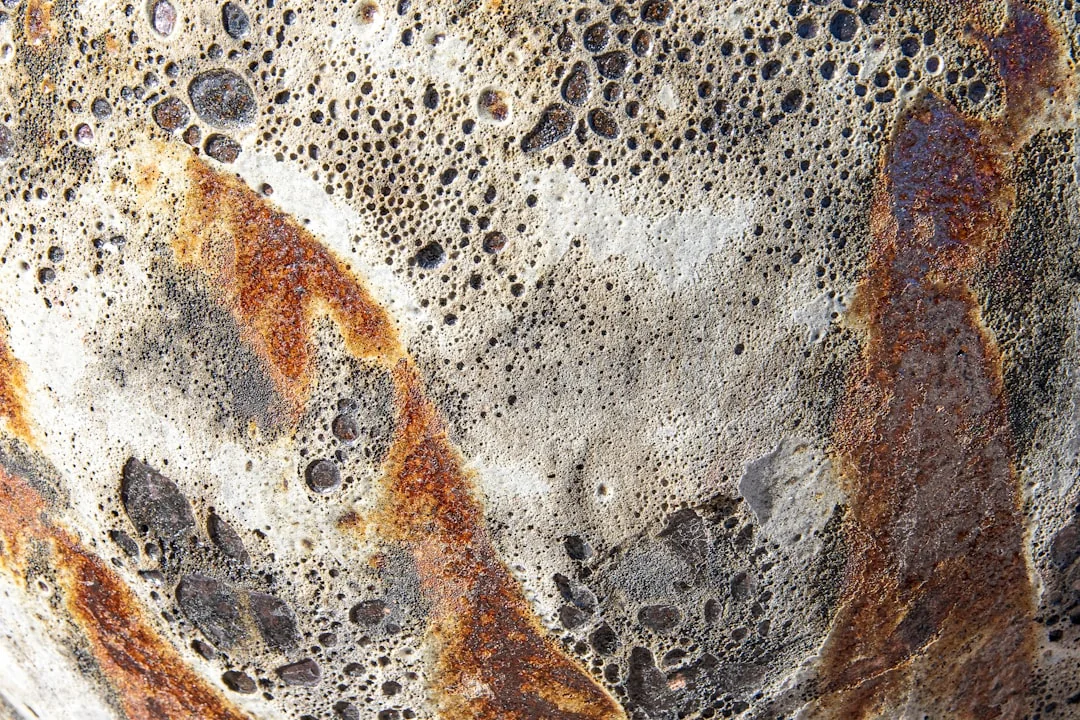
Tricks & Tips: The Silent Reason Your Water Heater Dies Too Soon
Understanding how sediment buildup shortens your water heater life starts with one simple fact: most water heaters fail years before they should — and mineral deposits are usually to blame. According to industry data, approximately 85% of water heater failures are directly linked to sediment accumulation. A unit that should last 12-15 years with proper care may give out after just 5-7 years when sediment goes unchecked.
In this week's tricks and tips guide, we will show you how to spot, prevent, and eliminate this hidden threat to extend your system's lifespan.
Here is a quick summary of how sediment buildup shortens water heater life:
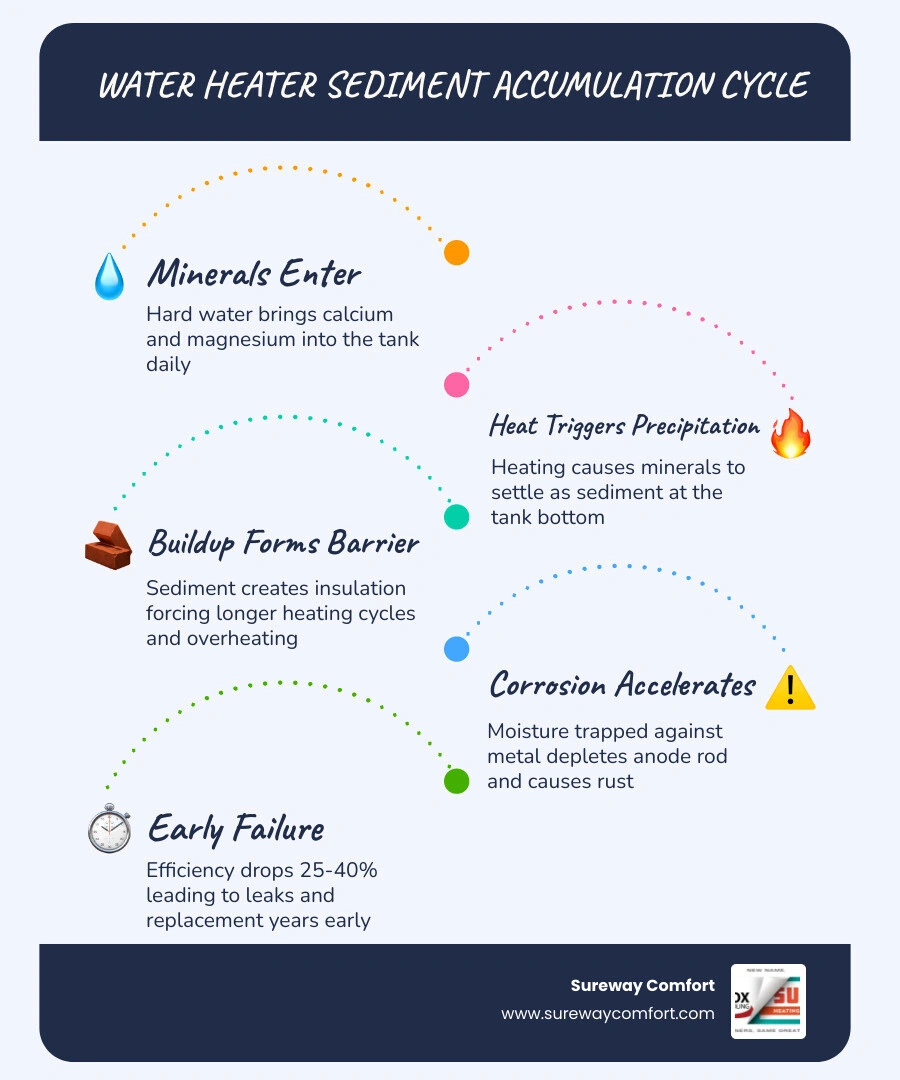
• Creates a thermal barrier — mineral deposits settle at the tank bottom and insulate the heat source, forcing the system to run longer and work harder
• Causes overheating — trapped heat creates hot spots that weaken tank walls over time through repeated thermal stress
• Accelerates corrosion — sediment traps moisture against metal surfaces and depletes the anode rod faster, leading to rust and tank leaks
• Reduces usable capacity — heavy buildup can displace 15-20% of your tank's storage space, meaning less hot water per cycle
• Raises energy bills — a sediment-laden heater can use 25-40% more energy than a clean one
• Triggers component failure — in electric heaters, sediment surrounding the lower heating element causes it to burn out prematurely
The good news is that most of this damage is preventable with the right maintenance habits. This guide walks you through everything you need to know — from how sediment forms to what warning signs to watch for and how to protect your investment.
How sediment buildup shortens your water heater life vocabulary:
• how often to flush your water heater in pennsylvania
• how to extend the life of your water heater
• water heater maintenance checklist for homeowners
What is Water Heater Sediment and What Causes It?

To stop an enemy, you must first understand what it is. In plumbing, the chief enemy of your hot showers is sediment. But what exactly is this gritty substance, and how does it sneak into your home's water heating system?
At its core, water heater sediment is a collection of loose minerals and debris that settles at the bottom of your tank. The primary culprit is hard water, which is rich in dissolved minerals like calcium and magnesium. When municipal water travels through the ground and into our local water supply in Southwestern Pennsylvania, it naturally absorbs these minerals from limestone deposits.
The trouble starts when this mineral-rich water enters your water heater. When water is heated, a natural chemical precipitation process occurs. The heat causes the dissolved calcium carbonate and magnesium hydroxide to separate from the water, crystallize, and transform into solid particles. These heavy mineral crystals, along with tiny traces of sand, rust, and silt from the water main, slowly sink to the bottom of the tank.
Over time, this accumulation forms a thick, gritty layer of scale. If left untreated, this soft sediment gradually calcifies into a rock-hard crust.
How this mineral buildup behaves depends heavily on the equipment you have in your home. Different systems handle mineral accumulation in distinct ways:
• Conventional Tank Water Heaters: In standard storage tanks, gravity does its work. Sediment slowly rains down to the bottom of the tank, forming a thick blanket directly over the gas burner or completely burying the lower electric heating element. To learn more about how these traditional systems compare to other technologies, check out our guide on the Different Types of Water Heaters.
• Tankless Water Heaters: Because tankless units do not store water, you might think they are immune to sediment. However, they suffer from a different version of the same problem. As water flashes hot inside the narrow passages of the copper heat exchanger, minerals rapidly bake onto the interior walls as scale. This restricts water flow, reduces heat transfer, and triggers system error codes. For a deeper look at these mechanical differences, read our comprehensive Tankless vs Tank Water Heater Comparison.
How Sediment Buildup Shortens Your Water Heater Life
The presence of a little sand-like material at the bottom of a steel tank might seem harmless, but it initiates a destructive chain reaction. Understanding how sediment buildup shortens your water heater life requires looking at the physical and mechanical strain placed on the appliance.
When sediment accumulates, it acts as a highly efficient thermal insulator. Unfortunately, insulation is the last thing you want between your heat source and your water. Because the burner (in gas units) or the heating element (in electric units) must heat the water through a thick layer of mineral scale, the appliance has to run much longer to achieve your desired thermostat setting.
This dramatic drop in heating efficiency leads to a direct spike in your monthly utility bills. A water heater operating with significant sediment buildup can easily experience a 25% to 40% reduction in operating efficiency. Over the course of a year, this translates to substantial wasted energy, forcing you to pay more for the exact same amount of hot water.
Beyond the financial hit, sediment physically degrades the system. In electric units, the lower heating element becomes completely buried in sediment. Unable to dissipate its heat into the water, the element overheats and burns out. In gas units, the base of the tank is subjected to extreme, uneven temperatures, causing the steel to weaken.
Furthermore, sediment takes up physical space. In severe cases, sediment can displace several gallons of water, reducing the usable storage capacity of a 40- or 50-gallon tank by 15% to 20%. This is why your household might suddenly run out of hot water halfway through a morning shower.
To help visualize how much performance you lose to mineral buildup, let's look at how a clean water heater compares directly to one choked with sediment:
• Heating Efficiency — Clean Water Heater: Optimal (100% of factory rating) — Sediment-Heavy Water Heater: Reduced by 25% to 40%
• Average Functional Lifespan — Clean Water Heater: 12 to 15 years — Sediment-Heavy Water Heater: 5 to 7 years (often cut in half)
• Annual Energy Costs — Clean Water Heater: Baseline standard — Sediment-Heavy Water Heater: Significantly higher due to longer run times
• Usable Storage Capacity — Clean Water Heater: 100% of tank volume — Sediment-Heavy Water Heater: Reduced by 15% to 20% due to displacement
• Noise Levels — Clean Water Heater: Near-silent operation — Sediment-Heavy Water Heater: Loud popping, rumbling, or banging
• Recovery Time — Clean Water Heater: Rapid and consistent — Sediment-Heavy Water Heater: Slow, uneven, and sluggish
To understand the exact physical mechanisms behind this premature wear, let's break down the two main pathways of destruction: thermal insulation and accelerated corrosion.
The Thermal Barrier: How Sediment Buildup Shortens Your Water Heater Life
When a thick layer of calcite covers the bottom of a gas water heater, it creates a powerful thermal barrier. The gas burner fires at the base of the tank, but instead of directly heating the water, the heat is trapped in the steel plate beneath the sediment.
This causes the bottom of the tank to overheat dramatically. Instead of operating at normal temperatures, the steel is subjected to localized hot spots. This extreme heat leads to intense thermal stress. Every time the water heater cycles on and off, the metal expands and contracts. Under normal conditions, this expansion is uniform and safe. However, when sediment creates uneven hot spots, the localized metal fatigue causes the tank’s protective glass lining to crack and flake away. Once that glass lining is compromised, the raw steel beneath is exposed directly to water, setting the stage for a catastrophic failure.
Accelerated Corrosion: How Sediment Buildup Shortens Your Water Heater Life
Your water heater has a built-in defender against rust: the sacrificial anode rod. This metal rod (usually made of magnesium, aluminum, or zinc) is designed to corrode prepetually, attracting the corrosive elements in the water so your steel tank doesn't have to.
However, sediment buildup accelerates this process. The layer of sediment traps stagnant water, corrosive minerals, and even anaerobic bacteria directly against the tank’s bottom surface. This localized environment accelerates chemical corrosion. Furthermore, the extreme thermal stress that cracks the interior glass lining forces the anode rod to work overtime to protect the newly exposed steel.
Once the anode rod is fully depleted, the corrosive elements have free rein. They attack the weakened steel at the bottom of the tank, leading to rust formation, structural weakening, and eventually, pinhole leaks. When a tank leaks from the bottom due to corrosion, it cannot be repaired; the entire unit must be replaced. To understand the baseline timeline of your system, read our guide on How Long Does a Water Heater Last.
Warning Signs of Mineral Accumulation in Your Tank
Fortunately, your water heater will rarely suffer in silence. It will send out clear warning signs that sediment is beginning to take its toll. Recognizing these symptoms early can save you from a sudden cold shower or a flooded basement.
• Strange Popping or Rumbling Noises: This is the most common and dramatic warning sign. Homeowners often describe a sound like boiling gravel, a stampede of animals, or loud popping coming from the basement. This occurs because water becomes trapped beneath the hardened sediment layer. As the burner heats the tank bottom, this trapped water turns to steam, expanding rapidly and bubbling through the heavy sediment crust with a loud pop.
• Reduced Hot Water Supply: If your teenage children are suddenly complaining that the hot water runs out in five minutes, or if your showers start warm but turn lukewarm quickly, sediment has likely displaced your tank's usable capacity.
• Fluctuating Water Temperatures: As sediment interferes with the thermostat's ability to read water temperatures accurately, you may experience sudden bursts of cold water followed by scalding hot water.
• Cloudy or Rusty-Colored Water: When sediment is disturbed by high water usage, it can travel through your hot water pipes. If your hot water looks cloudy, milky, or has a distinct yellow-brown tint, mineral accumulation is highly active.
• Metallic Smells or Foul Odors: Sediment can harbor anaerobic bacteria that produce a foul, rotten-egg smell. Additionally, scraping sediment can release a metallic odor into your hot water stream.
If you are noticing any of these issues in your home, it is time to take action. For residents living in our immediate service areas, you can consult our regional troubleshooting resources, such as the Water Heater Repair Bethel Park PA Guide or the Best Water Heater Repair Guide Brookline PA. If you are unsure of your system's age or whether it is still covered by the manufacturer, our Water Heater Warranty Lookup tool is an excellent place to start.
Pro Tricks and Tips to Prevent and Remove Sediment Buildup
Preventing sediment damage is far easier and more cost-effective than replacing a ruptured water heater. By incorporating a few simple maintenance tricks and tips into your household routine, you can easily add three to five years to your system's functional lifespan.
• Perform an Annual Flush: Draining and flushing your water heater tank at least once a year is the single most effective way to clear out loose mineral deposits before they calcify. If you live in an area with exceptionally hard water, flushing the tank every six months is highly recommended.
• Install a Whole-House Water Softener: If your local water supply is rich in minerals, a water softener is a highly effective long-term solution. By exchanging calcium and magnesium ions with sodium ions, a softener prevents the precipitation process from occurring in the first place, keeping your water heater tank pristine.
• Adjust Your Thermostat Setting: Mineral precipitation accelerates dramatically when water is heated above 130°F. By lowering your water heater's thermostat to the U.S. Department of Energy's recommended 120°F, you slow down the rate of scale formation while saving on standby energy losses.
For a comprehensive approach to keeping your entire system in peak condition, explore our guides on How to Extend the Life of Your Water Heater and review our seasonal Water Heater Maintenance Checklist for Homeowners.
If you are comfortable with basic DIY tasks, you can perform a standard tank flush yourself. Here is a list of the essential tools you will need:
1. Heavy-Duty Garden Hose: A high-quality, heat-resistant hose is required to handle the hot water draining from the tank.
2. Flathead Screwdriver: Most standard plastic or brass drain valves feature a slot that requires a flathead screwdriver to open and close.
3. Large Bucket: Useful for catching the initial, sediment-heavy water flow or for draining the tank entirely if there is no floor drain nearby.
4. Channel Lock Pliers: Helpful for loosening or tightening a stubborn hose connection on an older drain valve.
5. Towels or Rags: To wipe up minor drips or spills around the drain area.
Safety Warning: Always turn off the power supply (the circuit breaker for electric heaters) or shut off the gas control valve (for gas heaters) before draining your tank. Draining a water heater while the heating elements or burners are active will cause immediate, severe damage to the unit.
Frequently Asked Questions About Water Heater Sediment
How often should I flush my water heater to prevent sediment?
For most homes in Southwestern Pennsylvania, flushing your water heater once a year is sufficient to keep sediment under control. However, if your home relies on well water or sits in an area with high mineral content, we recommend flushing the system every six months. Regular flushing prevents loose calcium crystals from hardening into a solid, calcified mass that can no longer be rinsed out.
Can sediment buildup cause a water heater to leak?
Yes, absolutely. While sediment itself doesn't leak, its presence directly causes the physical conditions that lead to leaks. By creating localized hot spots, sediment causes the tank’s protective glass lining to crack. This exposes the raw steel tank to water. Additionally, sediment traps corrosive minerals at the bottom of the tank and accelerates the depletion of the sacrificial anode rod. Once the steel is unprotected, rust develops, eventually eating through the tank wall and causing a leak.
Does sediment affect tankless water heaters?
Yes, but in a different way than tank models. Because tankless water heaters do not store water, they do not suffer from thick piles of loose sediment at the bottom of a tank. Instead, they suffer from mineral scale buildup inside the narrow copper tubes of the heat exchanger. As water is rapidly heated, calcium deposits bake onto these metal walls, restricting water flow and forcing the system to work harder to transfer heat. Tankless systems require a regular descaling process using a pump and a food-grade vinegar solution every 1 to 2 years to keep the heat exchanger clear.
Conclusion
At Sureway Comfort, we believe that home maintenance should be simple, stress-free, and highly effective. Knowing how sediment buildup shortens your water heater life is the first step in taking control of your home's comfort and utility costs. While a DIY flush is a great weekend project, older units with heavy, calcified buildup or seized drain valves require a professional touch to avoid accidental leaks or component damage.
We are proud to serve our neighbors throughout Bridgeville, McDonald, Mt Lebanon, Bethel Park, Canonsburg, Collier, South Fayette, Upper St. Clair, Carnegie, Green Tree, Scott Township, Brookline, and Oakdale. Our experienced local plumbers specialize in water heater maintenance, deep flushing, anode rod replacements, and system upgrades.
Whether your water heater is making strange rumbling noises or you want to schedule a routine preventative check-up, our team is here to help. Schedule professional water heater services with Sureway Comfort today, and let’s make sure your hot water keeps flowing reliably for years to come!





.svg)
.avif)


